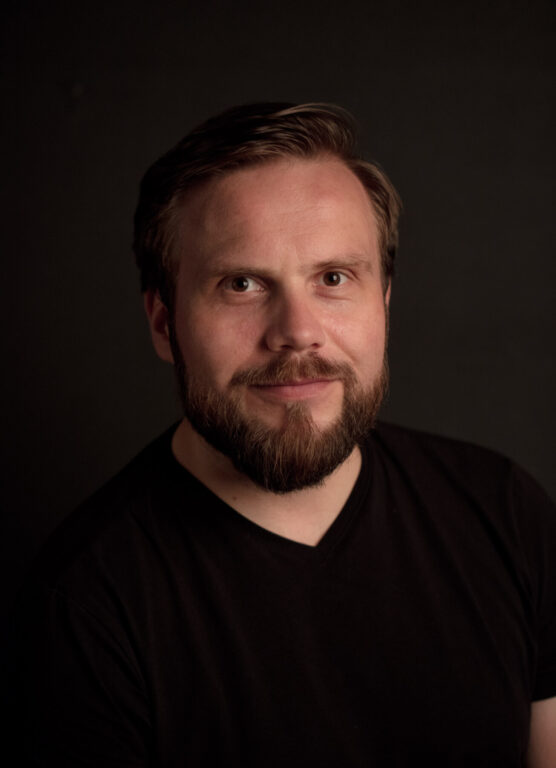
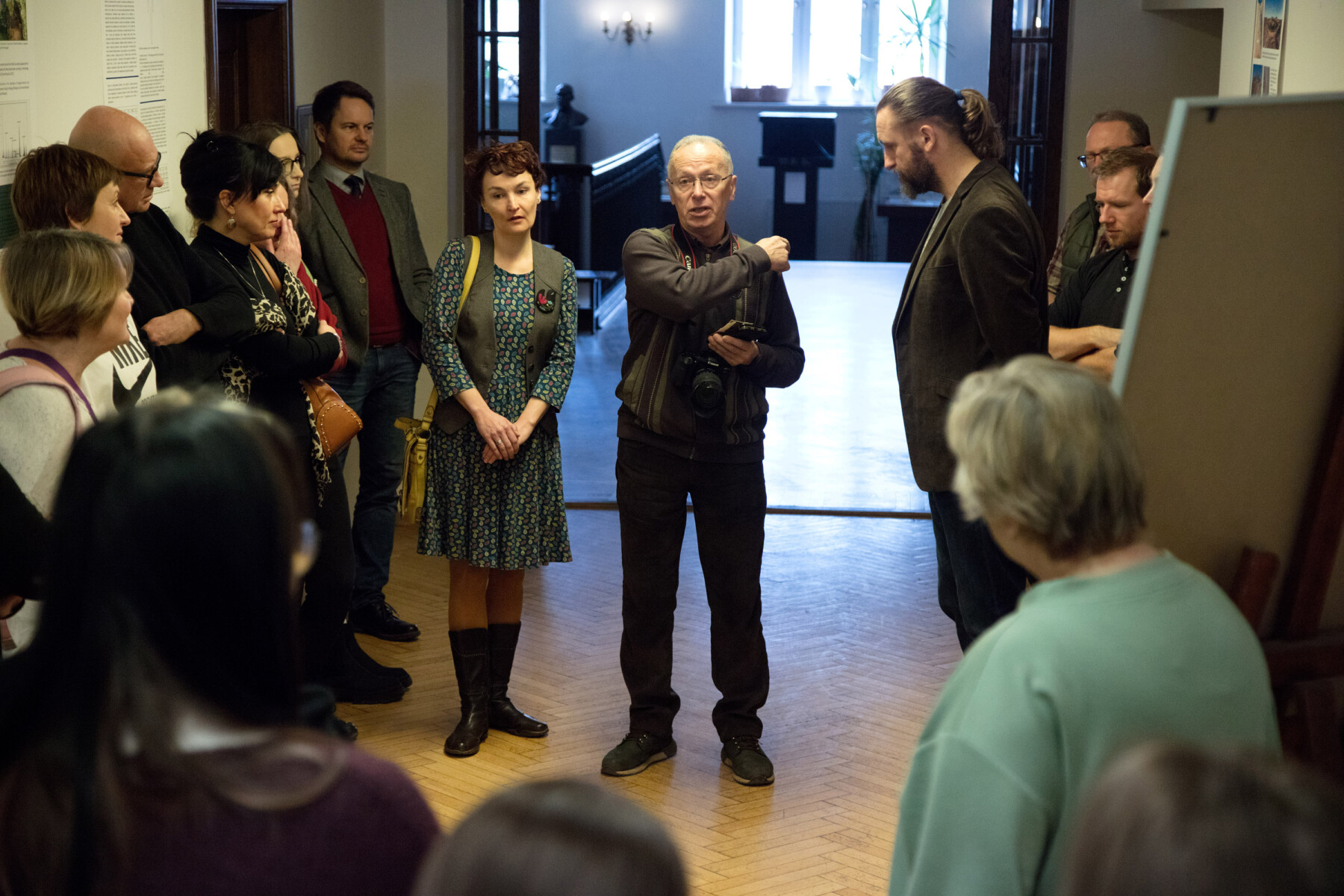
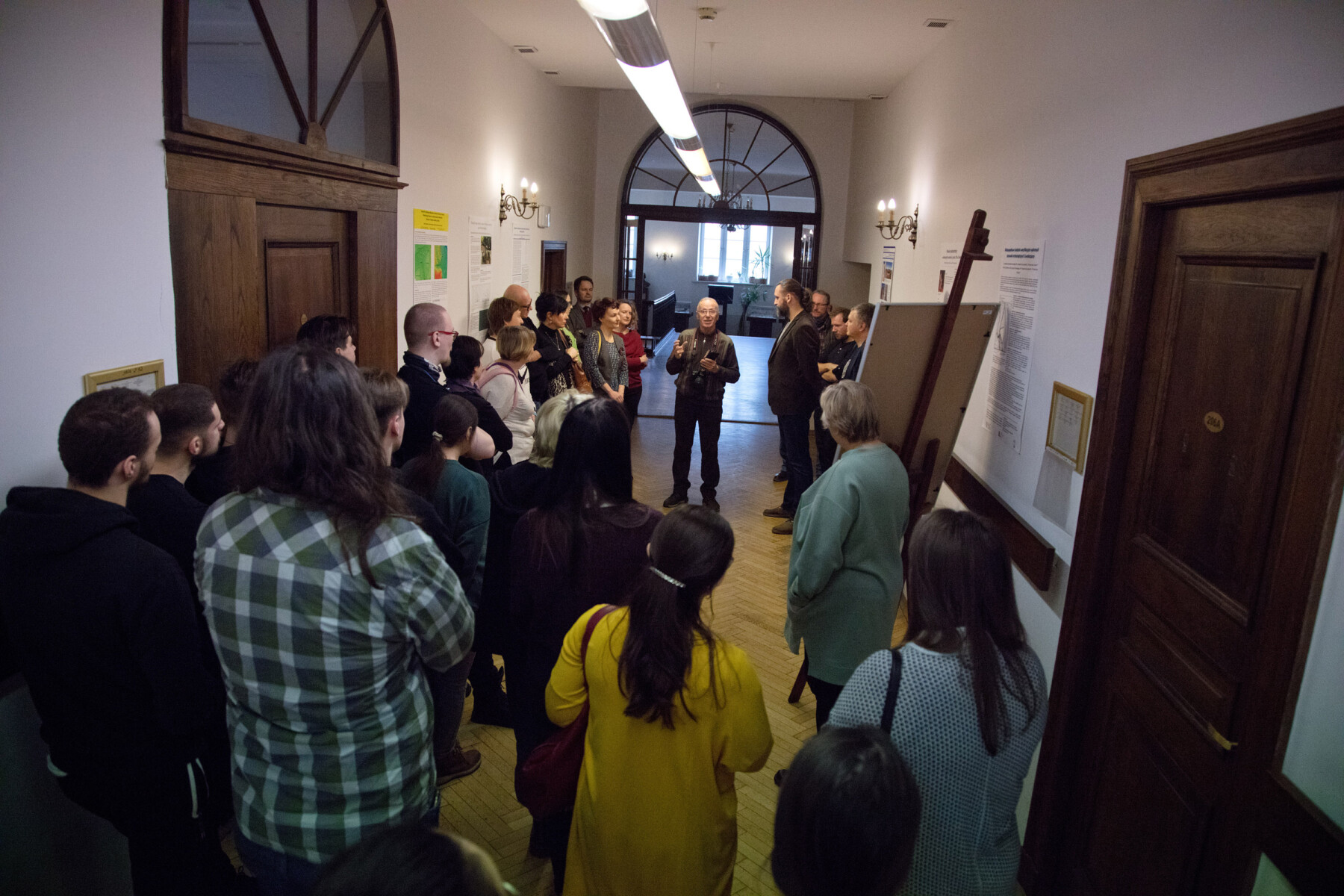
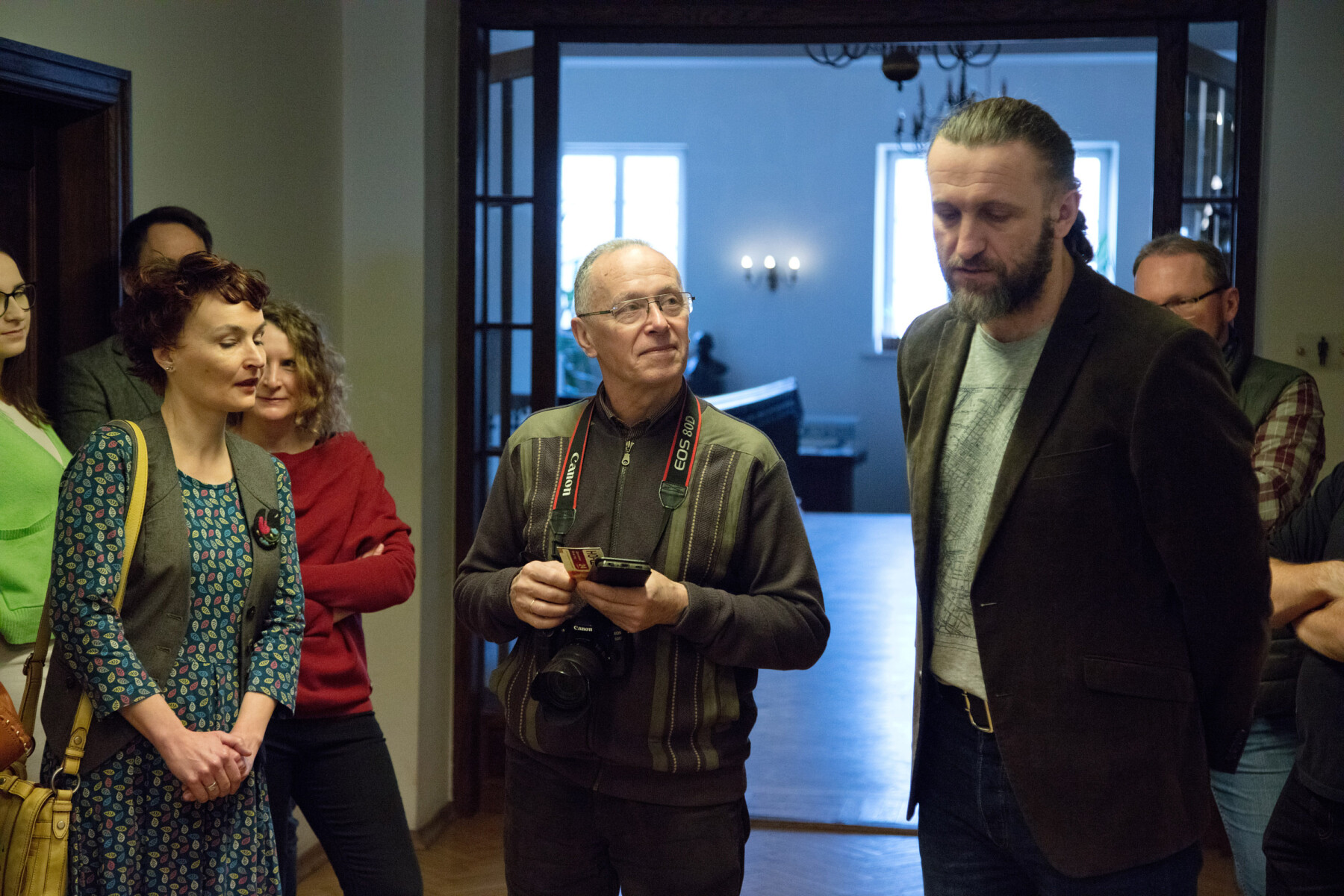
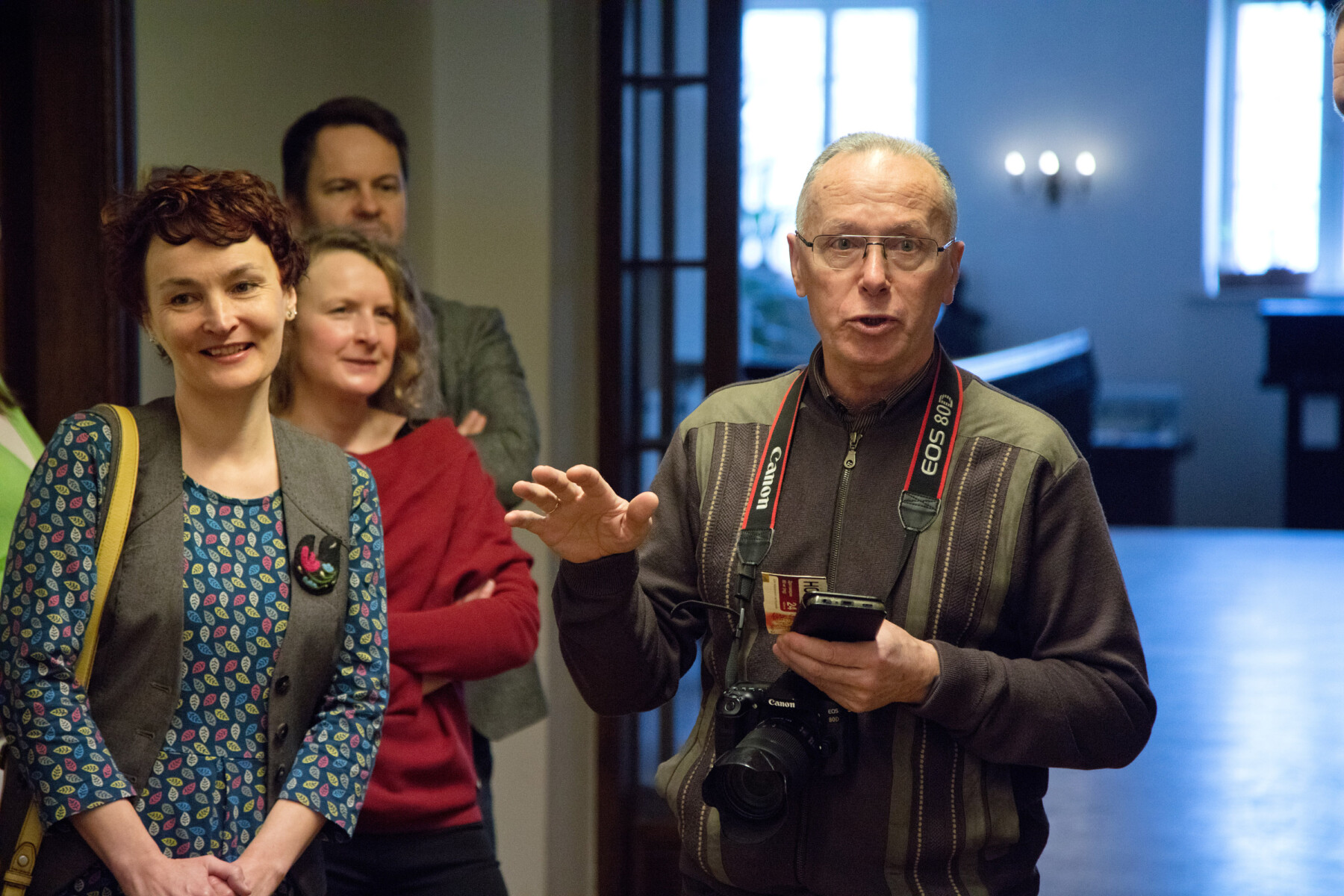
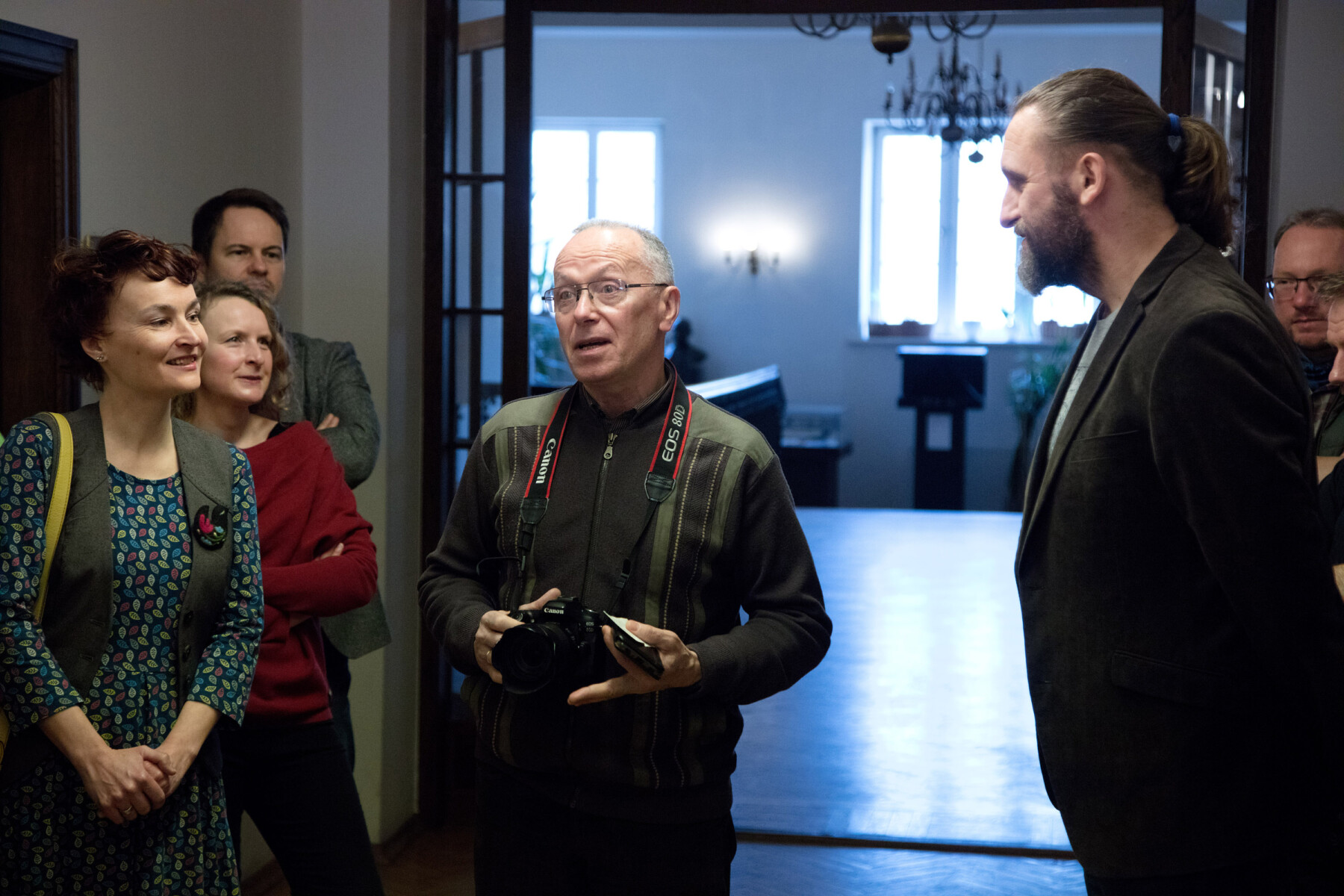
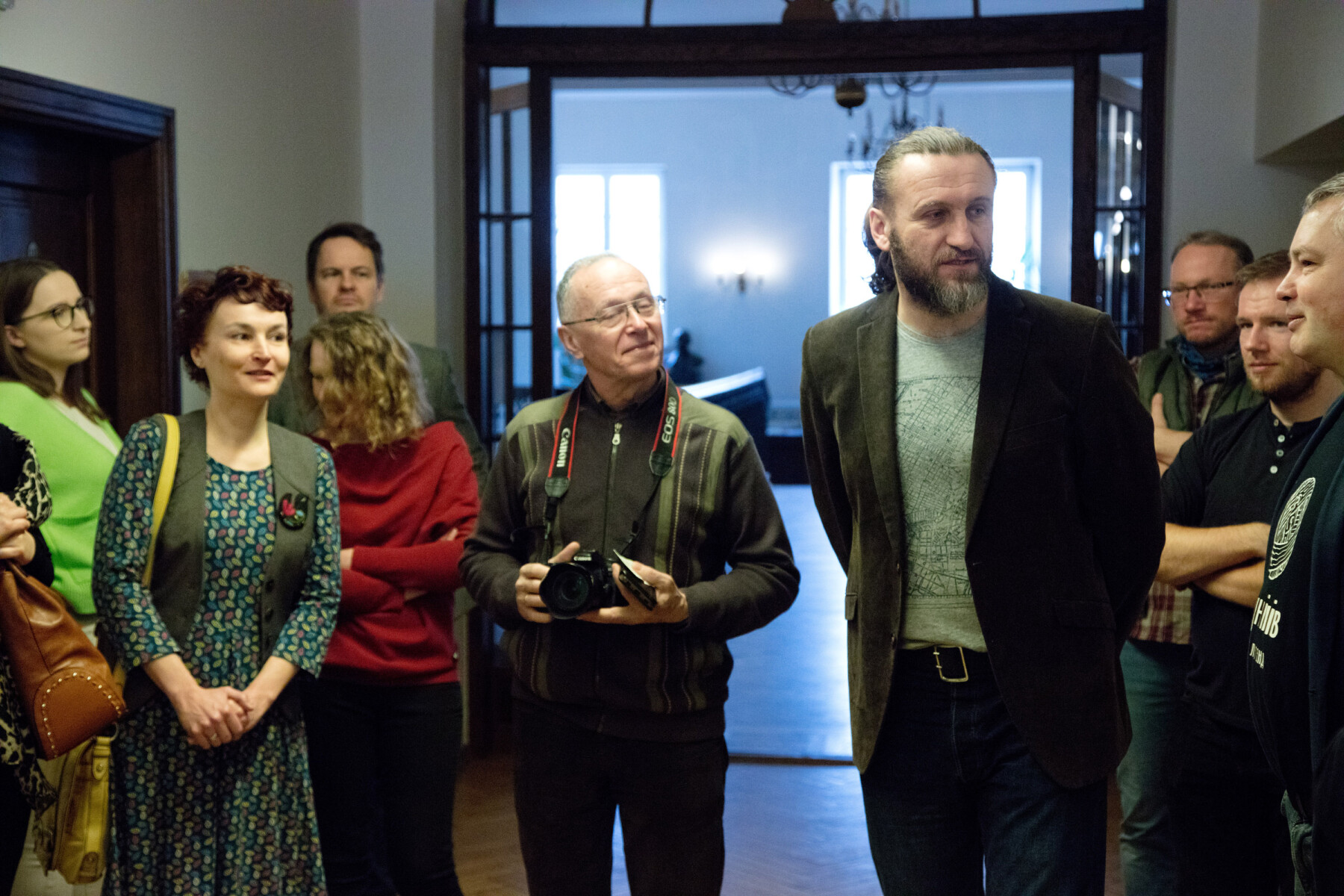
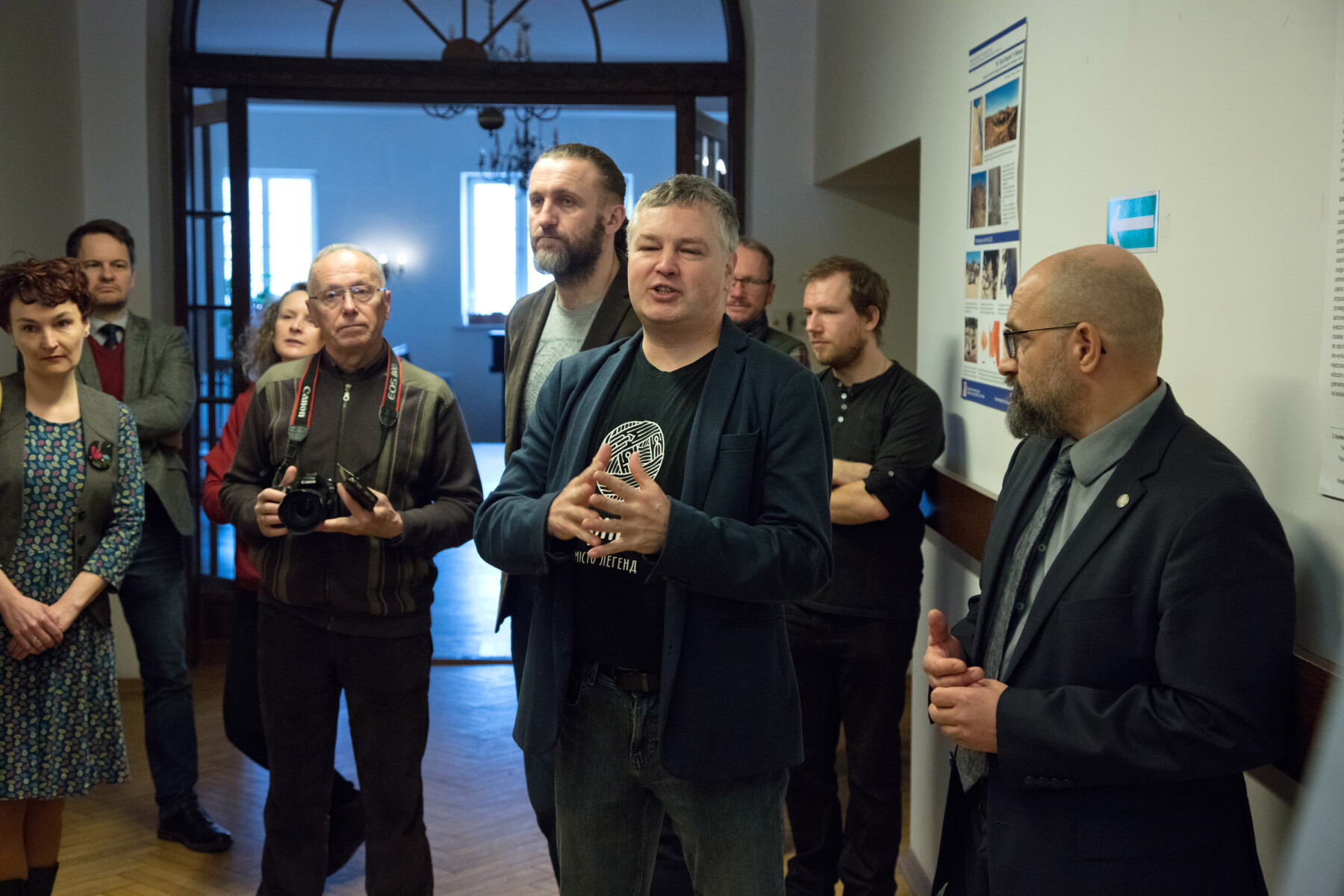
SKN KEMET has a pleasure to announce a lecture “The way of the Egyptologist” that will be given by dr Daniel Takacs! He will talk about his journey to and through Egyptology as well as answer your questions! It will take place on the 23.11 (on Thursday) at 18.30 at the Faculty of Archaeology of University of Warsaw in room 210 or under this link that’s also available on our fb page!
PhD candidates: Joanna Trębicka, MA
Adam Budziszewski, MA
Ana Davitashvili, MA
Olha Synkovska, MA
Zainab Albshir, MA
Bioarchaeology is an integral part of archaeological research, especially helpful in reconstructing the relationship between man and the environment throughout history. In our department we conduct research and teach in the field of archaeozoology, anthropology and archaeobotany. We analyse animal, human and plant remains reconstructing the economy, living conditions, diet, health or origin of people, animals and plants, as well as the environment, trade, intercultural contacts and issues related to cult and religion. We cooperate with many archaeological missions in Poland and abroad, in Europe, as well as in Asia, Africa, and Central and South America.
PhD students: Jakub Artemiuk
Marina Filatova
Robert Janiszewski
Vital Sidarovich
Grants coordinator: dr hab. Arkadiusz Dymowski
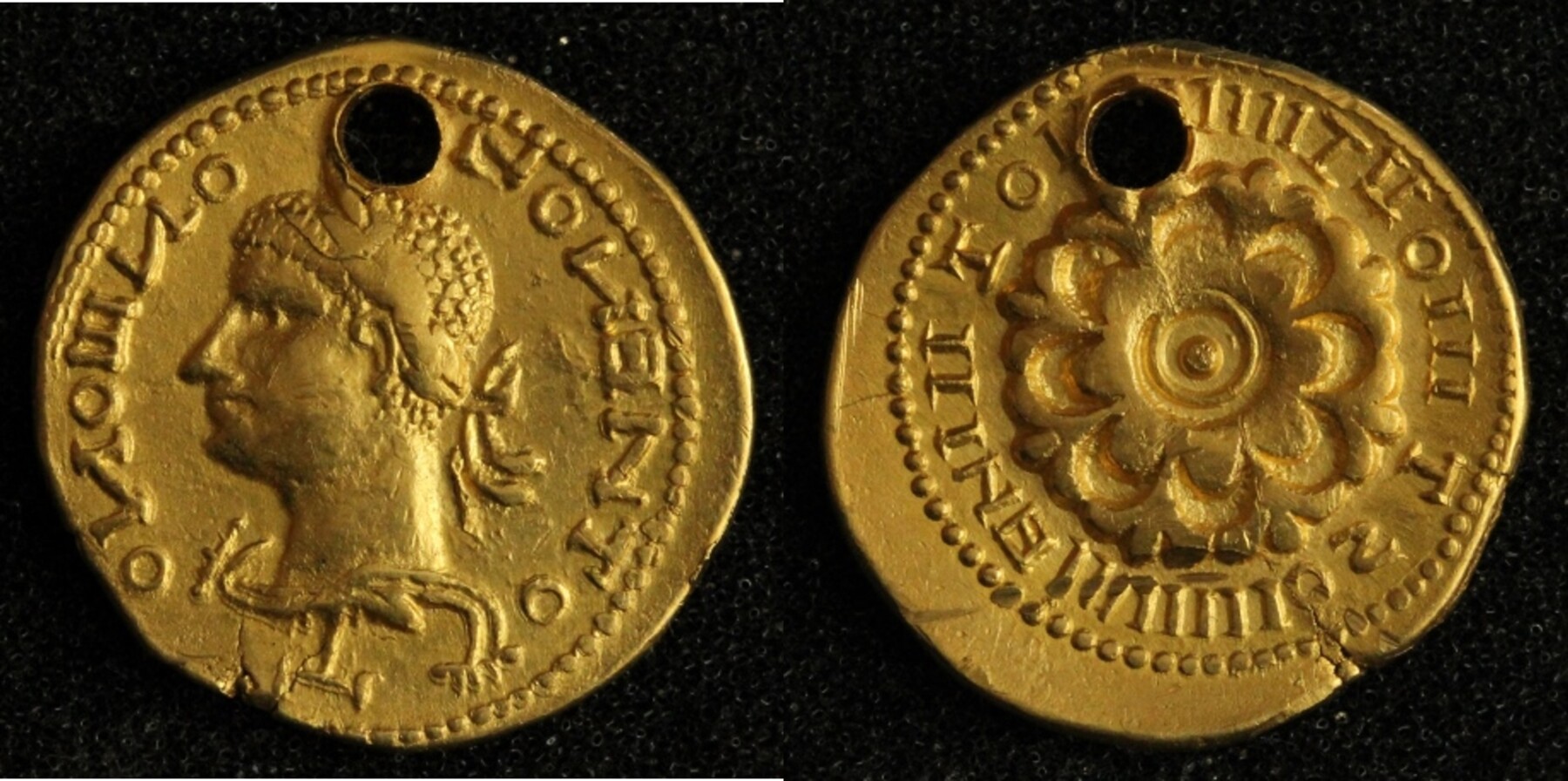
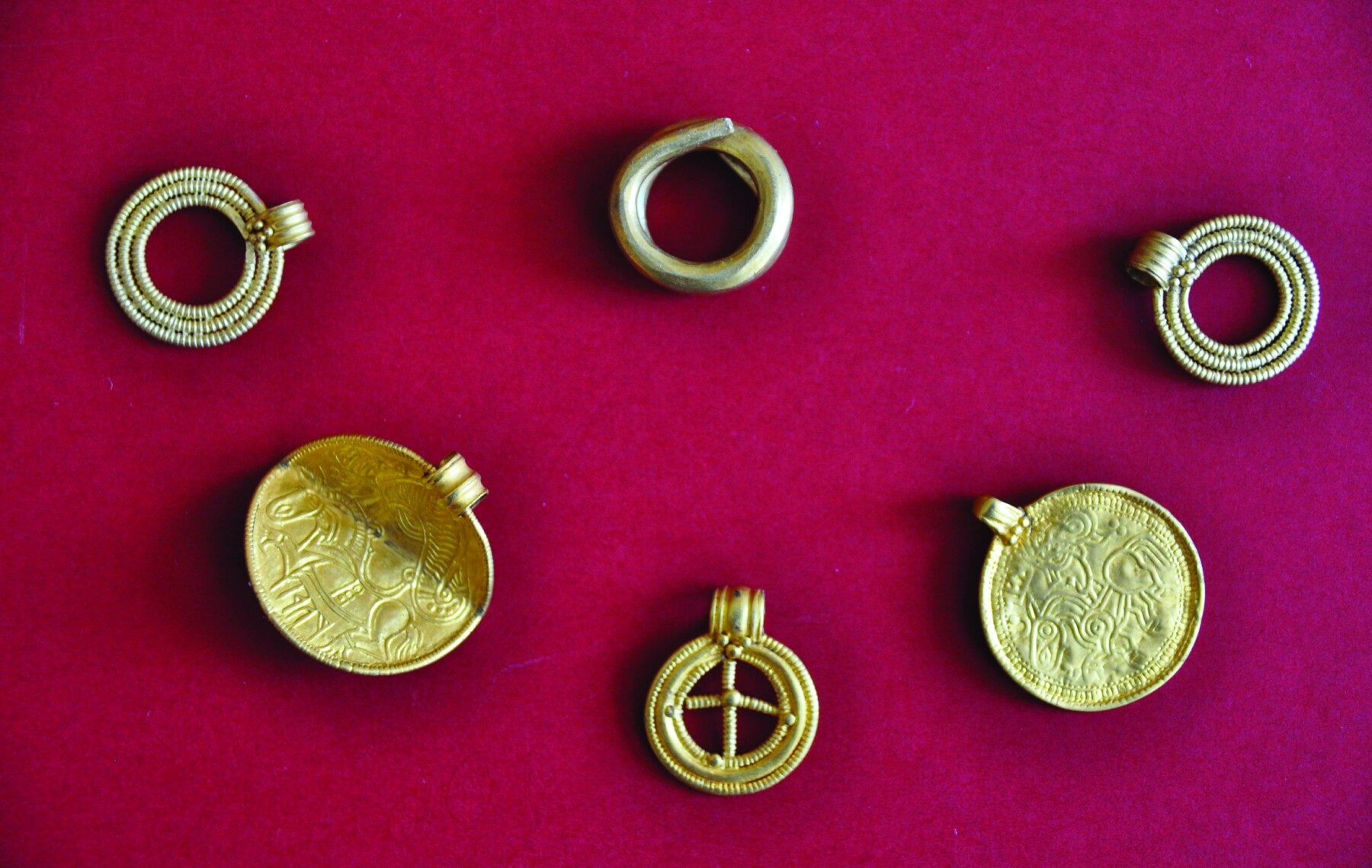
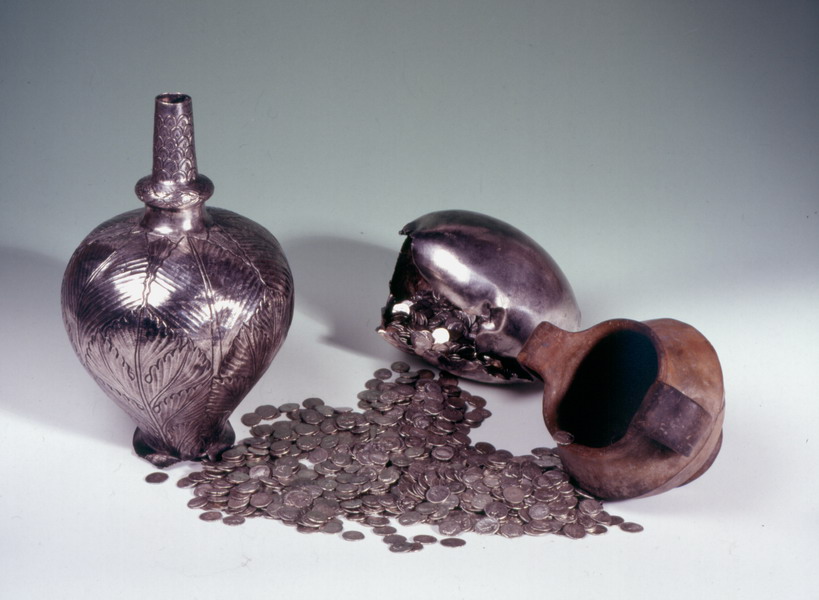
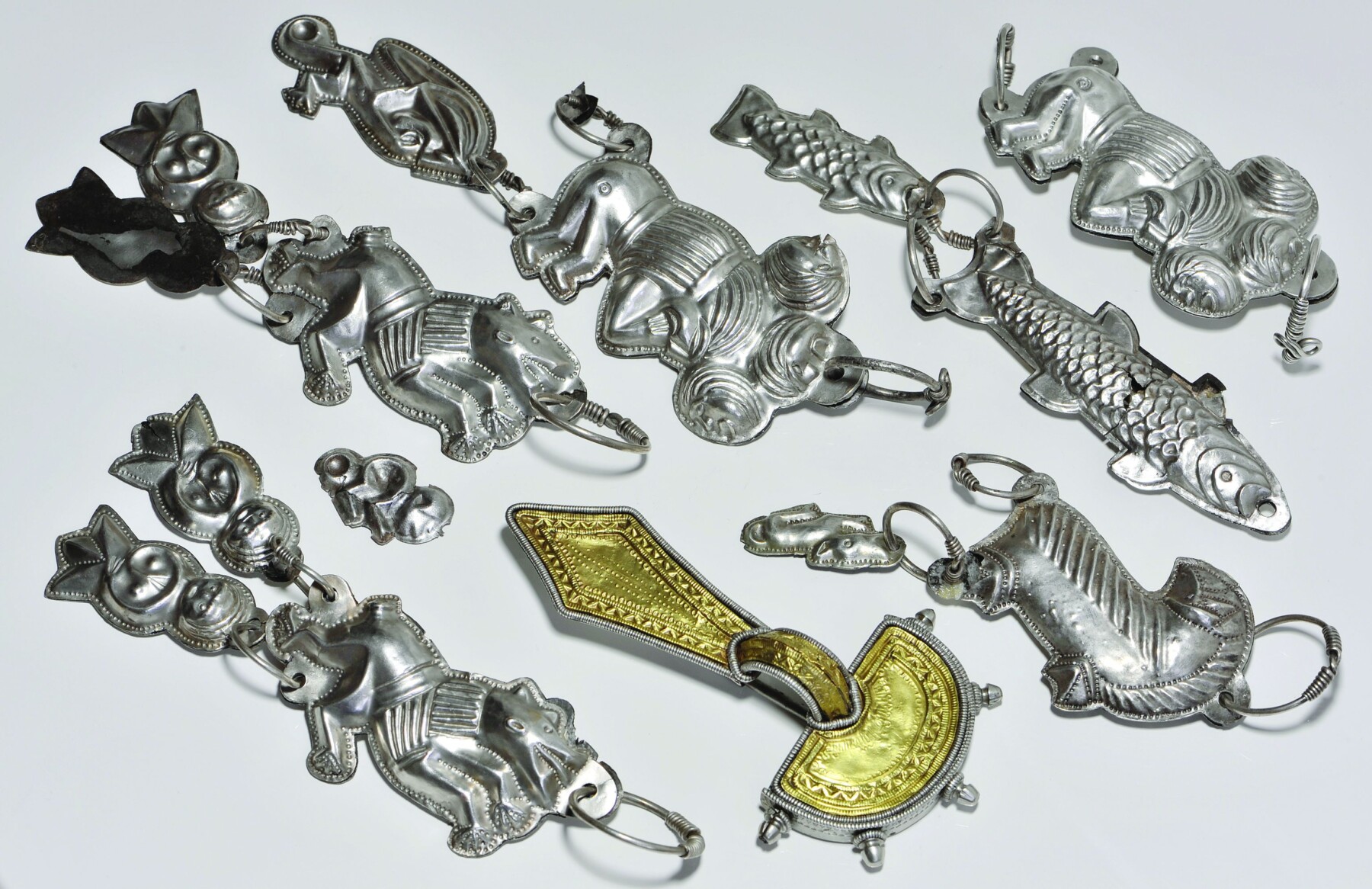
About the Department: The Department of Numismatics and Museology evolved from the Department of Contacts of the Mediterranean World with Barbaricum, a division of the former Institute of Archaeology UW, with some welcome additions made to our academic staff. The Department specializes in ancient and barbarian numismatics (Photo 1), particularly in the analysis of monetary phenomena and their interpretation, archaeology of the Migration Period in East-Central Europe (Photo 2), museology, and problems of archaeological conservation, monuments protection and cultural heritage management. An important aspect of our research are contacts of the Classical World with communities in the Babaricum, and in particular the broader issue of Roman imports (Photo 3). We publish our findings in successive tomes of the series Corpus der Römischen Funde in Europäischen Barbaricum-Polen with supplements. Another key speciality of our Department are digital numismatics and archaeology (see https://coindb-prod.ocean.icm.edu.pl/AFE_PL/, https://rgcb.lach.uw.edu.pl).
Moneta barbarzyńska grupy Ulów z połowy III w. po Chr., zachodnia Ukraina (fot. 1)
Depozyt z Suchania, pow. stargardzki z Okresu Wędrówek Ludów (fot. 2)
Skarb denarów i srebrnych naczyń z Boroczyc na Wołyniu (fot. 3)
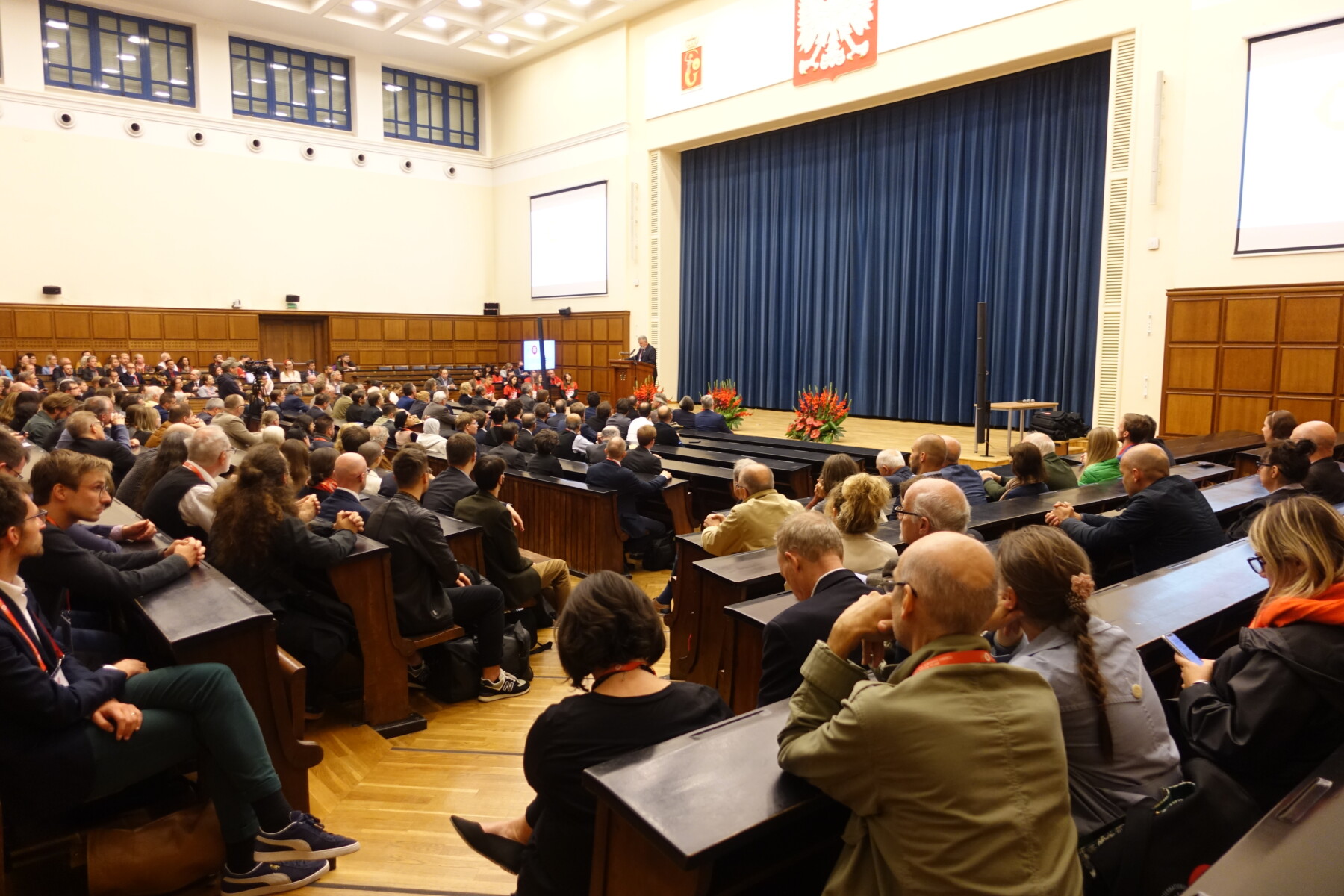
Our recent major achievement was organising the XVI International Numismatic Congress held in the Central Campus of the University of Warsaw in September 2022 (Photo 4), with an attendance of 650 (https://inc2022.pl/). We are currently preparing the conference proceedings for publication by Brepols Publishers in 2024. Organisation of the Congress and publication of conference proceedings was financed from the Ministry of Science and Higher Education of Poland grant ‘Excellence Science’.
XVI International Numismatic Congress. Opening ceremony in the historic Auditorium Maximum building, University of Warsaw, Poland (Photo 4)
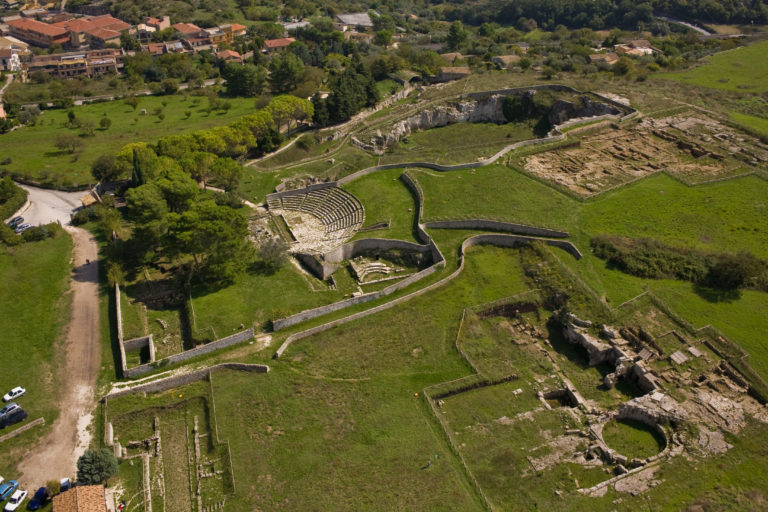
Archaeological fieldwork: Ten seasons of excavations were conducted by the team of dr hab. Roksana Chowaniec at Akrai (Latin Acrae) a Greek and Roman site in Sicily, located on SW margin of the modern town of Palazzolo Acreide, in a hill in the Hyblean Mountains in what has been the first ever dig run in Italy by Polish mission (Photo 5).
Bird’s-eye view of ancient Akrai, current Palazzolo Acreide, Sicily (Photo 5)
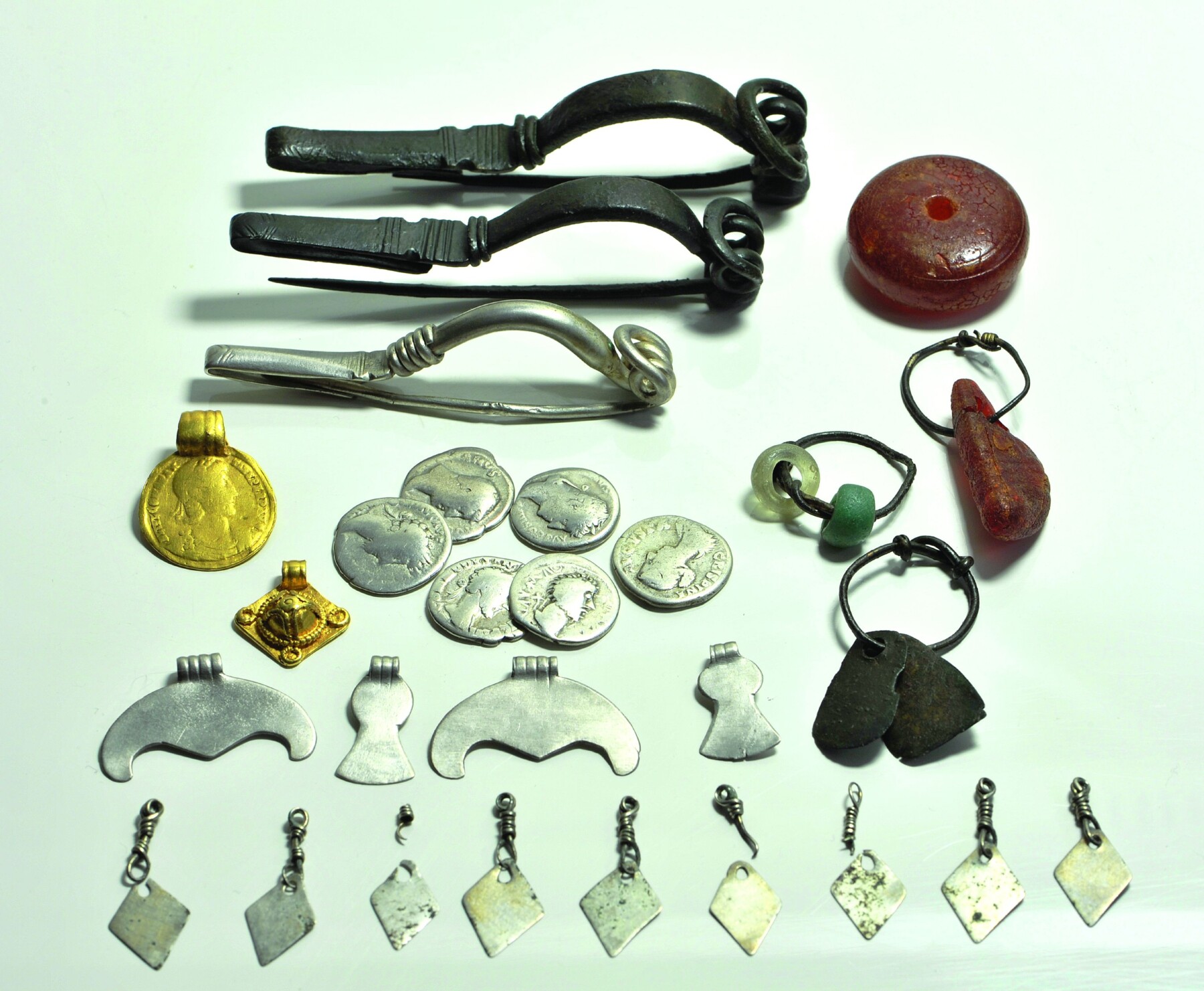
A three-years’ multidisciplinary study financed from the Polish National Science Centre grant ‘Maestro’ of the Hanging Cave, an important late Migration Period site in the Polish Jura at Kroczyce-Okupne, 80 km north of Cracow (Photo 6).
Artefacts from the Hanging Cave in the Polish Jura (Photo 6)
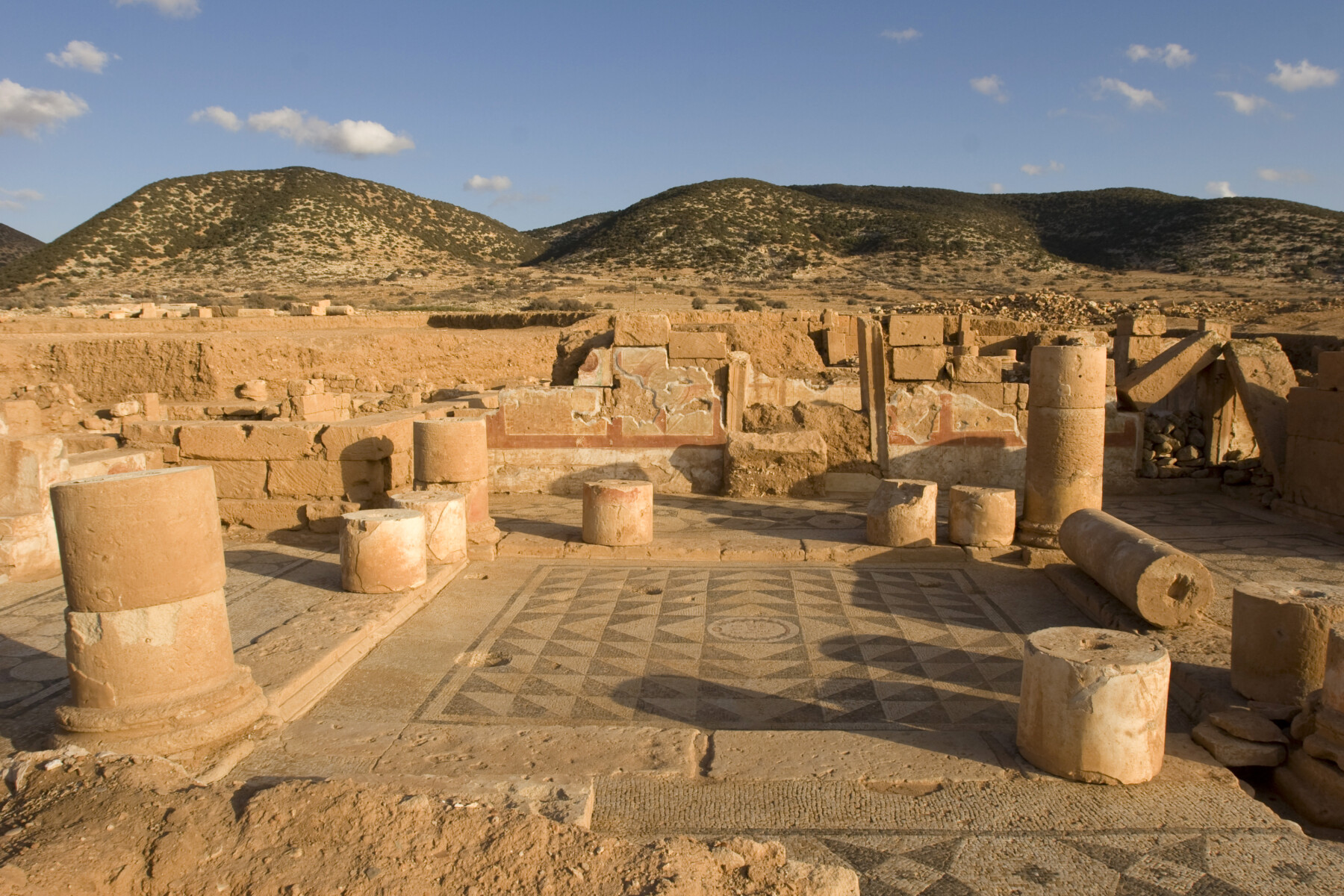
After a 12-years’ break caused by the civil war in Libya archaeological fieldwork was resumed in 2022 in Ptolemais. This large Greek port city was established in the 3rd century BC in Cyrenaica in the eastern region of Libya. In late AD 3rd century it became the capital of the Roman province of Libya Superior. The Polish dig in Ptolemais was initiated in 2001 by Professor Tomasz Mikocki (1954–2007) world class art historian and recognized classical archaeologist. A major highlight of the University of Warsaw dig was the discovery of the House of Leukaktios (3rd c. AD) richly decorated with mosaics and polychrome wall paintings (Photo 7). In 2006 a hoard of Roman coins (tpq = AD 262) was unearthed in the neighbourhood. The Head of the Polish Archaeological Mission to Ptolemais is dr Piotr Jaworski.
House of Leukaktios in Ptolemais, Libya (Photo M. Bogacki, Photo 7)
Aleksander Bursche (Project leader), Jakub Artemiuk (PhD student, grantee)
Scientific, legal and practical aspects of archaeological heritage protection in Poland after 1989, a comparative approach;
Implementation: 2022-2026, NCN, Preludium Bis 3 nr 2021/43/O/HS3/01186
The aim of the project is to verify whether the archaeological heritage protection system established in Poland after 1989 serves the research tasks of archaeology, ensures effective protection of archaeological heritage, encourages reporting new archaeological finds to the authorities and prevents crimes against archaeological monuments. An analysis of the solutions adopted for the protection and registration of archaeological monuments in selected countries (Denmark, England and Wales, Belgium, Italy, Romania) will also be made as a part of conducted research.
Barbarian fakers. Manufacturing and use of counterfeit Roman Imperial denarii in East-Central Europe in antiquity (Barbarzyńscy fałszerze. Wytwarzanie i użytkowanie fałszywych denarów rzymskich z okresu cesarstwa w Europie Środkowo-Wschodniej w starożytności)
Implementation: 2019-2024, NCN nr 2018/31/B/HS3/00137
The project addresses the phenomenon of manufacture and use of fake Roman denarii of the first-second centuries AD in East-Central Europe in Antiquity. Recent years have brought a landslide of new finds of these coins, particularly in Eastern Europe, both silver-plated denarii (subaerati), and copies, cast from base metal alloy, but also from alloys with a high silver content, (flati). Until recently the territory of the Roman Empire was viewed as the only centre of production of these coins. However there is no longer any doubt that fake coins were manufactured on a mass scale also on the barbarian territory. This was confirmed in a most spectacular manner by recent discoveries of ancient counterfeiting workshops in our part of Europe. One of the project tasks was non-destructive analysis of coins recovered in Poland, Ukraine and Belarus manufactured in barbarian workshops, the first interdisciplinary study of the production and use of fake Roman coins outside the Greek and Roman world.
Piotr Jaworski (Project leader), Szymon Jellonek (researcher, post-doc)
Coin circulation in the Byzantine and Umayyad Marea/North Hawwariya: studies in the monetary economy of Mareotis region in the hinterland of Alexandria. (Obieg monetarny w bizantyńskiej i umajjadzkiej Marei/Północnej Hawwariji: badania nad gospodarką pieniężną regionu Mareotis na zapleczu Aleksandrii),
Implementation: 2021-2025, NCN OPUS 20, nr 2020/39/B/HS3/03102
Marea/Philoxenite (Northern Hawwariya in Egypt) is an archaeological site approximately 40 km west of Alexandria, on the southern shore of Lake Mareotis. The city experienced a ‘Golden Age’ during the Byzantine period after the emergence of a Christian pilgrimage centre at the nearby Abu Mena. Marea/Philoxenite a large urban centre with an impressive layout presumably owes its existence to its position on pilgrim traffic between Alexandria and Abu Mena Since 2000, comprehensive archaeological research at Marea has been conducted by the University of Warsaw in cooperation with the Archaeological Museum in Krakow, which yielded ca. 8,500 coins. This assemblage collected on a single site from well-understood archaeological contexts can be used in future to recognize the monetary circulation in a large Byzantine city in the hinterland of Alexandria.
Szymon Jellonek (Leader)
Circulation of Late Antique coins in Novae
Small Grant CRAC X
The focus of the project is the nature of the supply and circulation of coins in Late Antique Novae in the Roman province of Moesia Secunda (now Bulgaria) – a military frontier town. Two assemblages of coins will be examined, one recovered from the town centre and one from its margin (‘annex’, the site of a former necropolis) to identify possible differences. The finds derive from recent excavation seasons of the Faculty of Archaeology Expedition led by dr hab. Agnieszka Tomas.
The area described as ‘annex’ in our research was excavated between 2017 and 2021 uncovering the remains of Late Antique structures built on the site of an earlier cemetery. This makes the Late Antique coins an assemblage distinct from the coin finds assemblage of finds from the period of the Principate. While the necropolis has been published (Tomas et al. 2020), the Late Antique phase of this site is currently under analysis. In 2021 fieldwork moved to the site of the retentura, in immediate vicinity of the headquarters (principia). During the most recent seasons Late Antique layers were uncovered corresponding in their chronology to the phases of the ‘annex’.
Kyrylo Myzgin (Project leader)
The neural network of solidi. Contacts between Romano-Byzantine and barbarian worlds in the light of die-linked gold coins found in Europe and Central Asia (Neuronowa sieć solidów. Kontakty pomiędzy światem rzymsko-bizantyńskim i barbarzyńskim w świetle połączeń stempli złotych monet znalezionych w Europie i w Azji Środkowej)
Implementation: 2021-2024, NCN nr 2020/39/B/HS3/01513
Our goal is obtaining new data about political contacts between Romans and Barbarians, and among barbarians themselves, between the 4th and 6th century through the study of the chronology, directions and reasons of the influx of gold coins to the territories beyond the Roman limes, and their redistribution within the Barbaricum. In this respect die-link studies offer a huge potential helping to recognize migration routes of individual coins or their groups. The traditional visual method of die-link analysis using human eyesight is labour intensive and we hope to train Artificial Intelligence to recognize the patterns on coins (deep learning). Our Artificial Intelligence Coin Network (AICN) software will use a convolutional neural network for visual recognition of coin die patterns and links between them.
Vital Sidarovich (researcher)
Understanding a deluge of silver: the Paharelshchyna hoard and the beginnings of the silver flow from central Asia to northern Europe (Zrozumienie “potopu” srebra: Skarb z Paharelshchyny i początki napływu srebra ze środkowej Azji do północnej Europy)
Implementation: 2023-2024, John Fell Fund, University of Oxford
The project will analyse the Paharelshchyna Hoard discovered in north-western Belarus containing 1800+ Arabic dirhams and silver scrap, including a fragment of a currency bar attributed to the Balt environment. The hoard was stolen in 1997 from the Museum of the Belarusian State University History Faculty in Minsk. Most of the coins from the hoard later turned up on auctions across Europe, and some of them passed to public museum collections in Stockholm and Tübingen. A monograph of the Paharelshchyna Hoard will be published in 2024.
Vital Sidarovich (Leader)
Finds of coins of Bithynia from the eastern Barbaricum
Small Grant CRAC IX
The focus of the project research are coins of Bithynia found in Lithuania and Belarus. While Bithynian coins have been interpreted as Gothic war trophies some area recorded outside the territory identified with Gothic cultures, including the territory of modern Lithuania and north-western Belarus inhabited in the Roman Period by Balt communities.
Anna Zapolska (Leader)
Die Gräber mit römischen Münzen aus dem Gräberfeld der Dollkeim-Kovrovo Kultur in ehem. Grebieten
(Groby z monetami rzymskimi z cmentarzyska kultury Dollkeim-Kovrovo w dawnym
The aim of the project is analysis of grave inventories with Roman coins excavated on the Dollkeim-Kovrovo culture cemetery at former Grebieten. After Bolshoe Isakovo (fmr. Lauth) the Grebieten is the cemetery with the largest number of Roman coin finds recorded in the Dollkeim-Kovrovo culture. The grave assemblages in which the coins occurred will be analyzed using archival data, surviving coins and other archaeological objects, and the published record. In addition to a chronological and strictly archaeological analysis, an attempt will be made to determine the function and role of coins and bronzes in the Dollkeim-Kovrovo culture in relation to other West Balt cultures (Western Lithuanian Stone-Circle Graves culture, Bogaczewo culture), and the role of bronze (including Roman coins) in the formation of local West Balt elites.
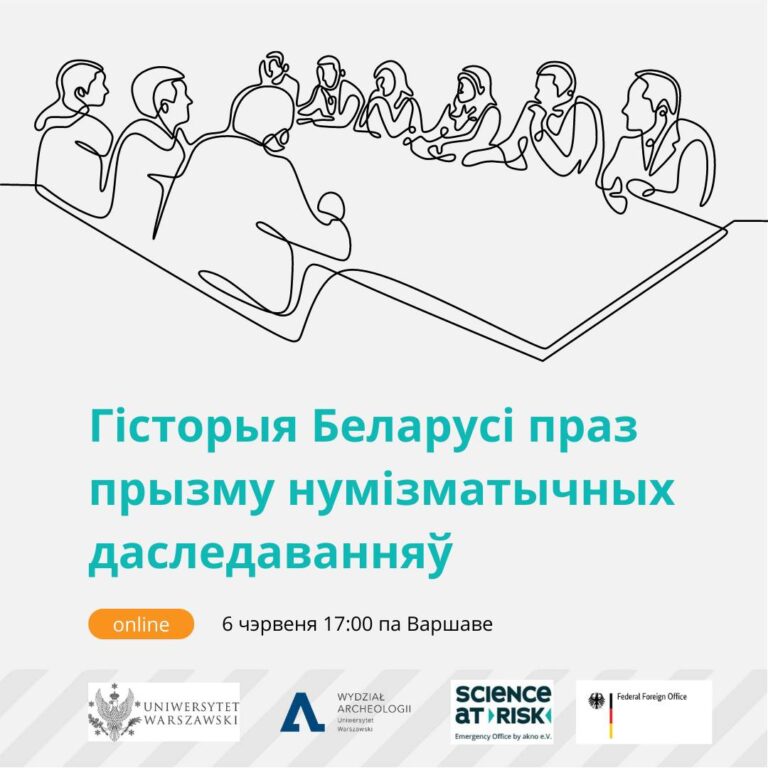
Vital Sidarovich(University of Warsaw) Antique coins and the beginning of monetary circulation in Belarus
Mikalai Plavinski (University of Warsaw) Viking Age hoards on the territory of Belarus as numismatic and archaeological sources
Raman Krytsuk(National Museum in Warsaw) Talers of the Grand Duchy of Lithuania: myths and legends
Valery Kabrynets(Independent researcher, Warsaw) Foreign coin in the circulation of the Commonwealth on the example of the coins of the Russian Tsardom
research interests: – Paleolithic, Mesolithic, Para-Neolithic
– burial rites in the Stone Age
– the Paleolithic and Mesolithic Art
– Bioarcheology
– Cultural anthropology
bibliography:
Gumiński W., Bugajska K., 2023, Painted wood, notch on bone – ornamentation or marking? A case of two neighbouring forager sites, Dudka and Szczepanki, Masuria, NE-Poland, (in) J.M. Grünberg, E. Brinch Petersen, B. Gramsch, T. Płonka, H. Meller (eds.) Mesolithic Art – Abstraction, Decoration, Messages, Tagungen des Landesmuseums für Vorgeschichte Halle, Band 26/I, Halle (Saale), 333-359.
Bugajska K., 2023, Purified by fire. Cremation burials in the Stone Age hunter-gatherer cemetery at Dudka, Masuria, northeast Poland, Documenta Praehistorica vol.50 (2023), 110-135, DOI: https://doi.org/10.4312/dp.50.10
Bugajska K., 2021, Cremation Burials of the Stone Age Hunter-Gatherers on the European Plain, Światowit LIX (2020), 15-45.
Bugajska K., 2021,Pit or grave? ‘Emptied’ graves from the cemetery at Dudka, Masuria, north-eastern Poland, (in:) D. Borić, D. Antonović, B. Mihailović (eds.), Foraging Assemblages, Volume 2, Belgrade & New York (Serbian Archaeological Society, The Italian Academy for Advanced Studies in America, Columbia University), 648-655.
Wacnik A., Gumiński W., Cywa K., Bugajska K., 2020, Forests and foragers: exploitation of wood resources by Mesolithic and para‑Neolithic societies in north‑eastern Poland, Vegetation History and Archaeobotany 29, 2020: 717-736, https://doi.org/10.1007/s00334-020-00778-y
Bugajska K., Gumiński W., 2016, How many steps to heaven? Loose human bones and secondary burials at Dudka and Szczepanki, (in:) Grünberg J., Gramsch B., Larsson L., Orschiedt J., Meller H. (eds), Mesolithic burials – Rites, symbols and social organization of early postglacial communities. Tagungen des Landesmuseums für Vorgeschichte Halle 13/II, 2016, Halle (Saale), 339-455.
Gumiński W., Bugajska K., 2016,Exception as a rule. Unusual Mesolithic cemetery and other graves at Dudka and Szczepanki, Masuria, NE-Poland, (in:) J.M. Grünberg, B. Gramsch, L. Larsson, J. Orschied, H. Meller (eds.), Mesolithic burials – Rites, symbols and social organisation of early postglacial communities, Tagungen des Landesmuseums für Vorgeschichte Halle, Band 13/II, Halle (Saale): 465-510.
Bugajska K., 2015, In the ground or in the basket? Burial wrappings from the Stone Age hunters’ cemetery at Dudka, Masuria, NE-Poland. Novensia 26, 10–23.
Bugajska K., 2015,Obrządek pogrzebowy łowców-zbieraczy epoki kamienia w południowej Skandynawii i na Niżu Środkowoeuropejskim, Przegląd Archeologiczny 62 (2014), 5-69.
Howcroft R., Bugajska K., Gumiński W., Kowalewska-Marszałek H., Szczepanek A., Włodarczak P., Eriksson G., 2013, Breastfeeding and weaning practices during the Neolithic and Early Bronze Age in Poland, (in:) R. Howcroft, Weaned Upon a Time. Studies of the Infant Diet in Prehistory, Thesis and Papers in Scientific Archaeology 14, Stockholm (Stockholm University): 1-27.
Bugajska K., 2011,Ozdoby z grobów łowców (mezolit, paraneolit) – Mazury w kręgu wschodnim czy zachodnim (w:) Stankiewicz U., Wawrusiewicz A. (red.), Na rubieży kultur. Badania nad okresem neolitu i wczesną epoką brązu, Białystok, 359-370.
Research projects: NCN Opus 20; nr 2020/39/B/HS3/02375, Absolute chronology of burials and loose human bones from the hunter-gatherer Stone Age sites Dudka and Szczepanki in Masuria (NE-Poland) published results of the project: – Bugajska, K. (2023). Purified by fire: Cremation burials in the Stone Age hunter-gatherer cemetery at Dudka, Masuria, northeast Poland. Documenta Praehistorica, 50, 110-135. https://doi.org/10.4312/dp.50.10
zainteresowania naukowe:
– paleolit, mezolit, paraneolit
– obrzędy pogrzebowe w epoce kamienia
– sztuka paleolitu i mezolitu
– bioarcheologia
– antropologia kulturowa
bibliografia:
Bugajska, K., 2024, Loose human bones as evidence of the multi-step burial rite: Case study of the Stone Age hunter-gatherer sites at Dudka and Szczepanki, Masuria (northeastern Poland), Přehled výzkumů 65/1, 2024 X 103–137 https://doi.org/10.47382/pv0651-05
Gumiński W., Bugajska K., 2023, Painted wood, notch on bone – ornamentation or marking? A case of two neighbouring forager sites, Dudka and Szczepanki, Masuria, NE-Poland, (in) J.M. Grünberg, E. Brinch Petersen, B. Gramsch, T. Płonka, H. Meller (eds.) Mesolithic Art – Abstraction, Decoration, Messages, Tagungen des Landesmuseums für Vorgeschichte Halle, Band 26/I, Halle (Saale), 333-359.
Bugajska K., 2023, Purified by fire. Cremation burials in the Stone Age hunter-gatherer cemetery at Dudka, Masuria, northeast Poland, Documenta Praehistorica vol.50 (2023), 110-135, DOI: https://doi.org/10.4312/dp.50.10
Bugajska K., 2021, Cremation Burials of the Stone Age Hunter-Gatherers on the European Plain, Światowit LIX (2020), 15-45.
Bugajska K., 2021,Pit or grave? ‘Emptied’ graves from the cemetery at Dudka, Masuria, north-eastern Poland, (in:) D. Borić, D. Antonović, B. Mihailović (eds.), Foraging Assemblages, Volume 2, Belgrade & New York (Serbian Archaeological Society, The Italian Academy for Advanced Studies in America, Columbia University), 648-655.
Wacnik A., Gumiński W., Cywa K., Bugajska K., 2020, Forests and foragers: exploitation of wood resources by Mesolithic and para‑Neolithic societies in north‑eastern Poland, Vegetation History and Archaeobotany 29, 2020: 717-736, https://doi.org/10.1007/s00334-020-00778-y
Bugajska K., Gumiński W., 2016, How many steps to heaven? Loose human bones and secondary burials at Dudka and Szczepanki, (in:) Grünberg J., Gramsch B., Larsson L., Orschiedt J., Meller H. (eds), Mesolithic burials – Rites, symbols and social organization of early postglacial communities. Tagungen des Landesmuseums für Vorgeschichte Halle 13/II, 2016, Halle (Saale), 339-455.
Gumiński W., Bugajska K., 2016,Exception as a rule. Unusual Mesolithic cemetery and other graves at Dudka and Szczepanki, Masuria, NE-Poland, (in:) J.M. Grünberg, B. Gramsch, L. Larsson, J. Orschied, H. Meller (eds.), Mesolithic burials – Rites, symbols and social organisation of early postglacial communities, Tagungen des Landesmuseums für Vorgeschichte Halle, Band 13/II, Halle (Saale): 465-510.
Bugajska K., 2015, In the ground or in the basket? Burial wrappings from the Stone Age hunters’ cemetery at Dudka, Masuria, NE-Poland. Novensia 26, 10–23.
Bugajska K., 2015,Obrządek pogrzebowy łowców-zbieraczy epoki kamienia w południowej Skandynawii i na Niżu Środkowoeuropejskim, Przegląd Archeologiczny 62 (2014), 5-69.
Howcroft R., Bugajska K., Gumiński W., Kowalewska-Marszałek H., Szczepanek A., Włodarczak P., Eriksson G., 2013, Breastfeeding and weaning practices during the Neolithic and Early Bronze Age in Poland, (in:) R. Howcroft, Weaned Upon a Time. Studies of the Infant Diet in Prehistory, Thesis and Papers in Scientific Archaeology 14, Stockholm (Stockholm University): 1-27.
Bugajska K., 2011,Ozdoby z grobów łowców (mezolit, paraneolit) – Mazury w kręgu wschodnim czy zachodnim (w:) Stankiewicz U., Wawrusiewicz A. (red.), Na rubieży kultur. Badania nad okresem neolitu i wczesną epoką brązu, Białystok, 359-370.
realizowane projekty: – Kierownik w grancie NCN Opus 20; nr 2020/39/B/HS3/02375 Chronologia bezwzględna pochówków i luźnych kości ludzkich ze stanowisk łowiecko-zbierackich epoki kamienia Dudka i Szczepanki na Mazurach
Opublikowane wyniki projektu: – Bugajska, K. (2023). Purified by fire: Cremation burials in the Stone Age hunter-gatherer cemetery at Dudka, Masuria, northeast Poland. Documenta Praehistorica, 50, 110-135. https://doi.org/10.4312/dp.50.10 – Bugajska, K. (2024). Loose human bones as evidence of the multi-step burial rite: Case study of the Stone Age hunter-gatherer sites at Dudka and Szczepanki, Masuria (northeastern Poland), Přehled výzkumů 65/1, 2024 X 103–137 https://doi.org/10.47382/pv0651-05
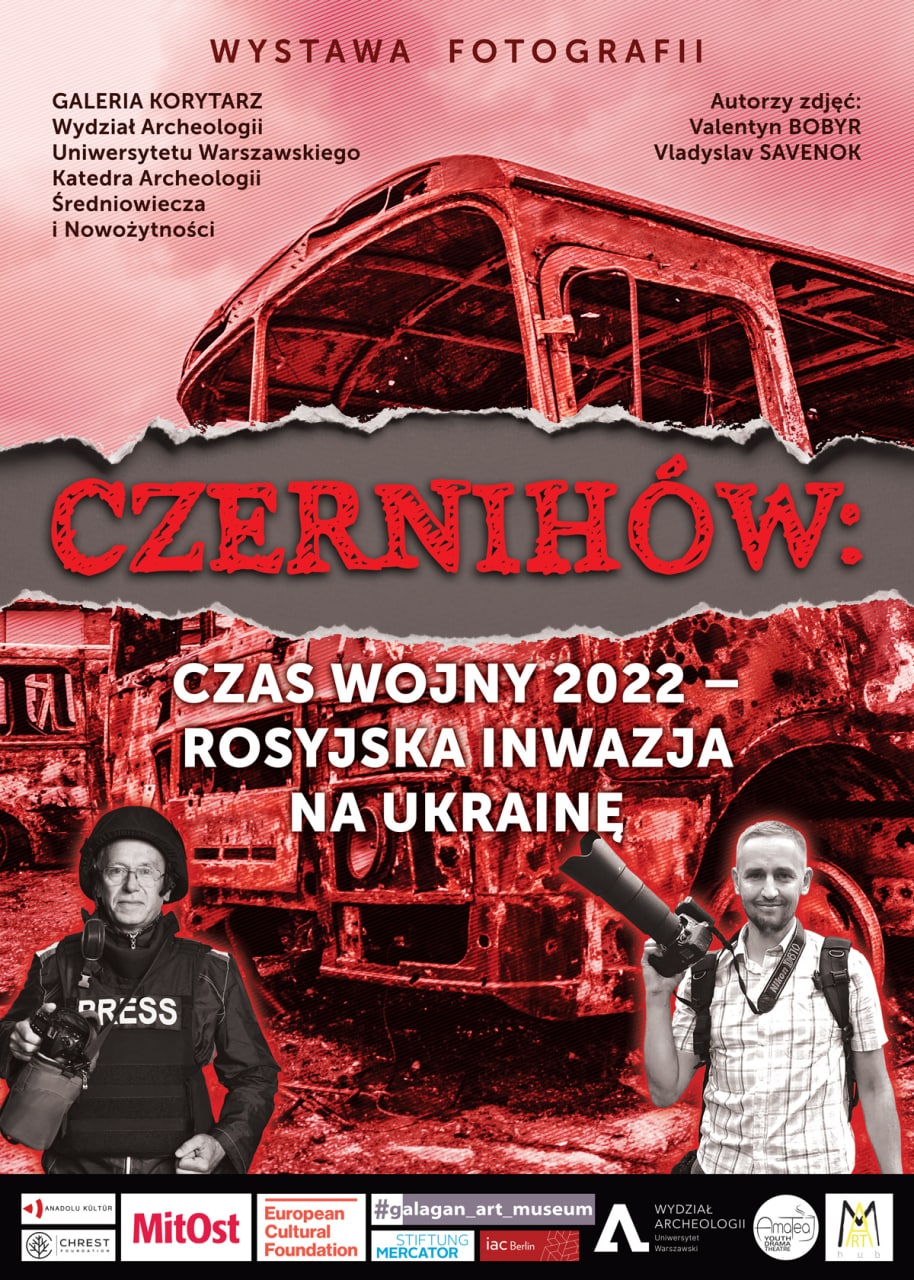
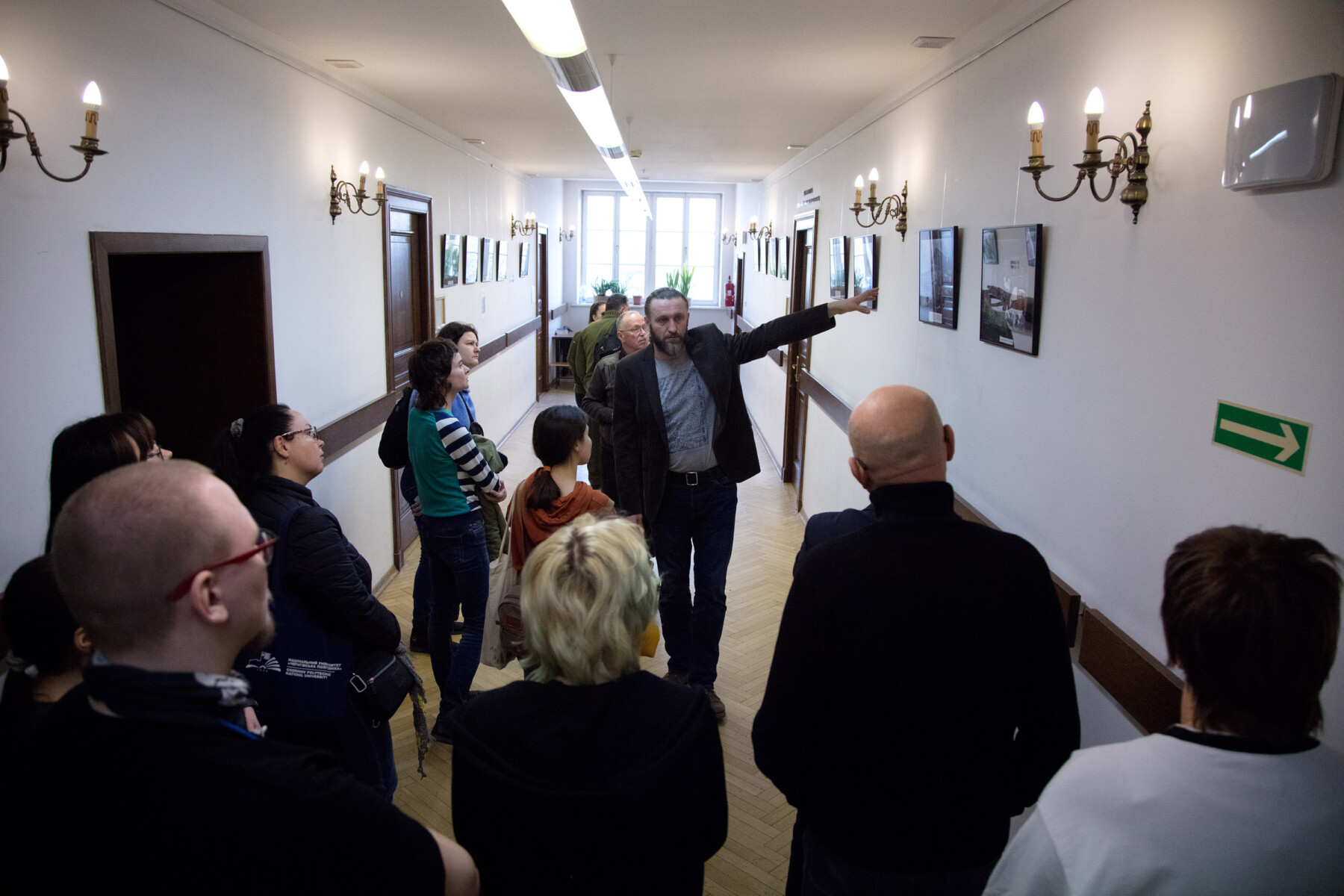
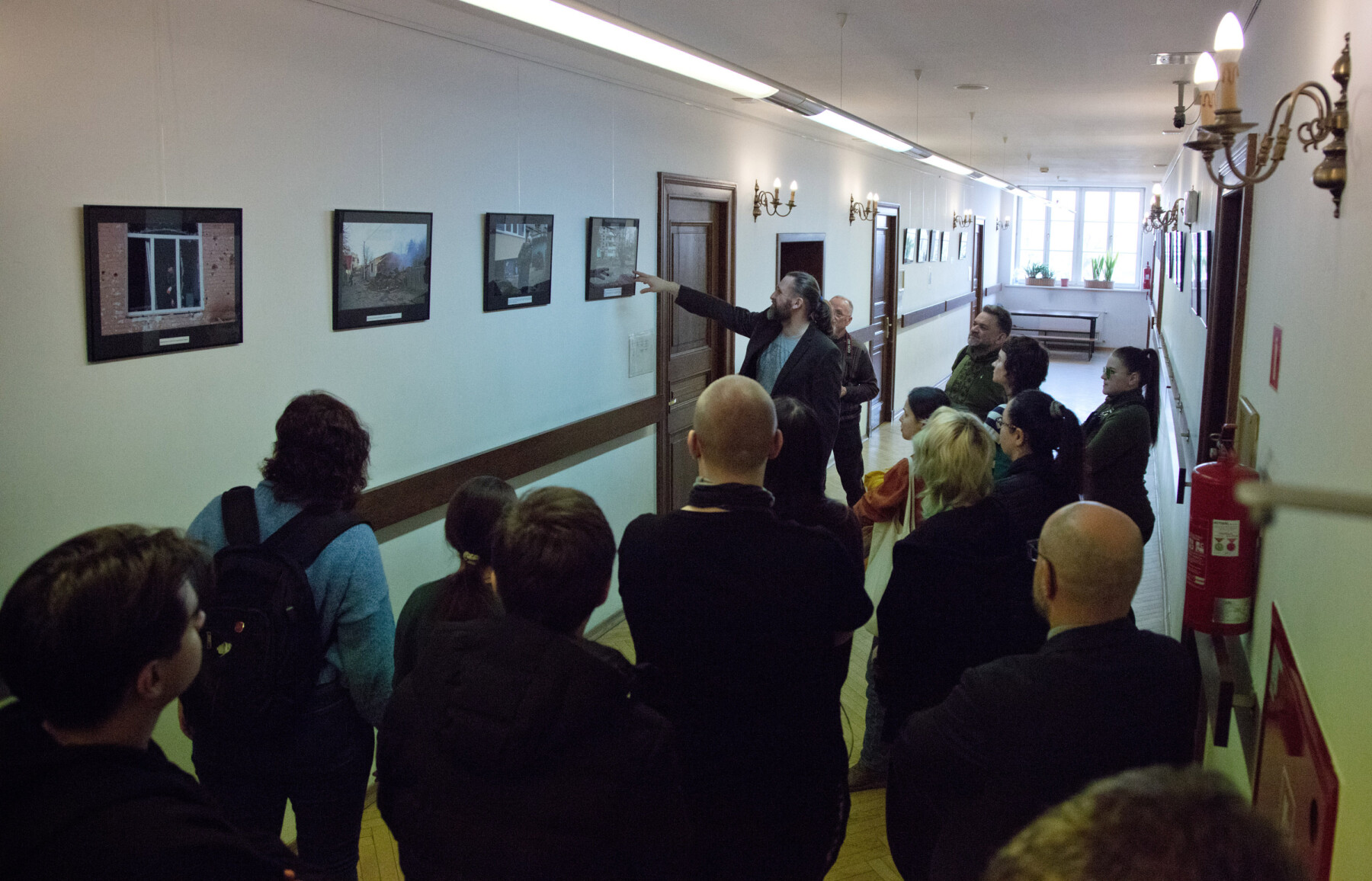
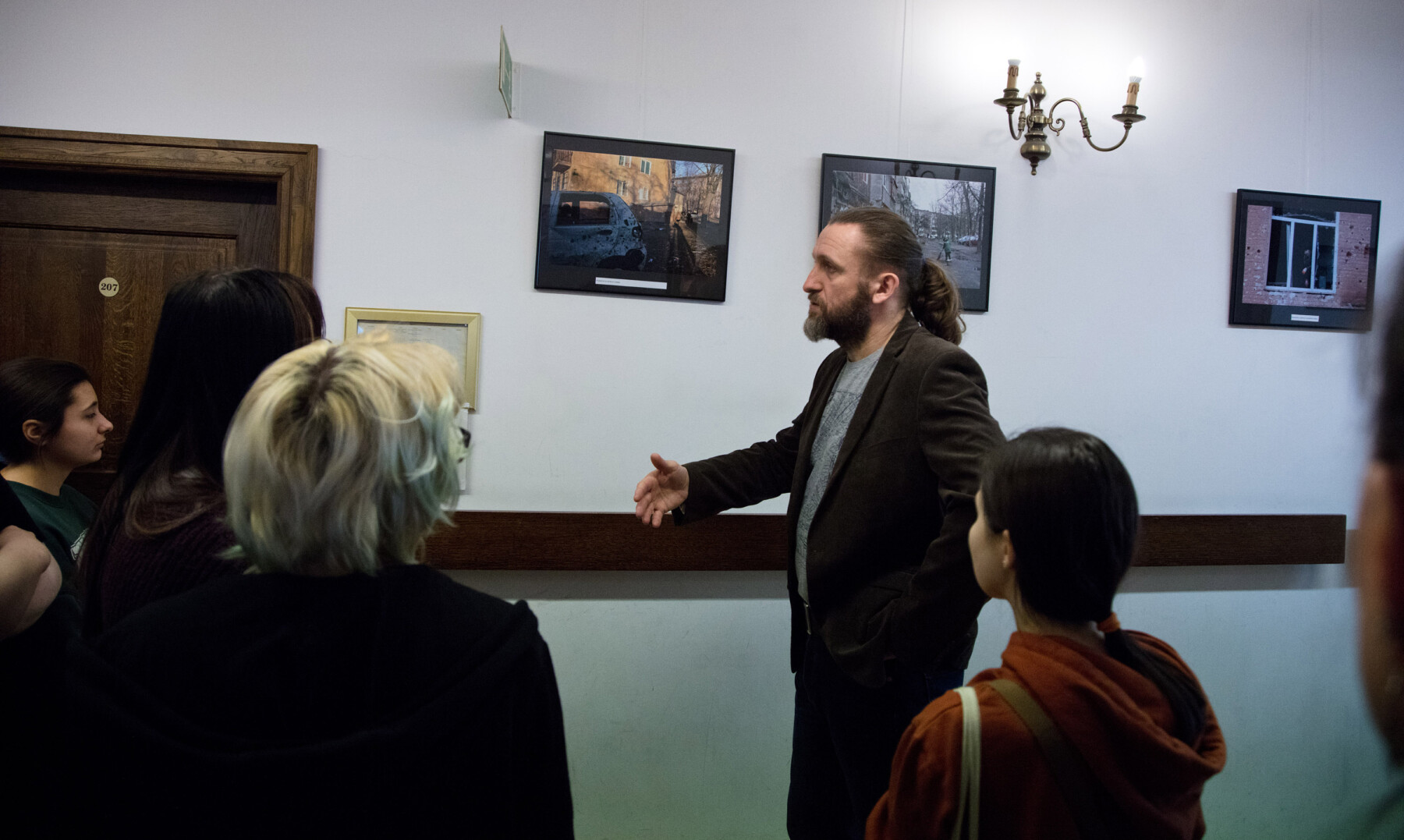
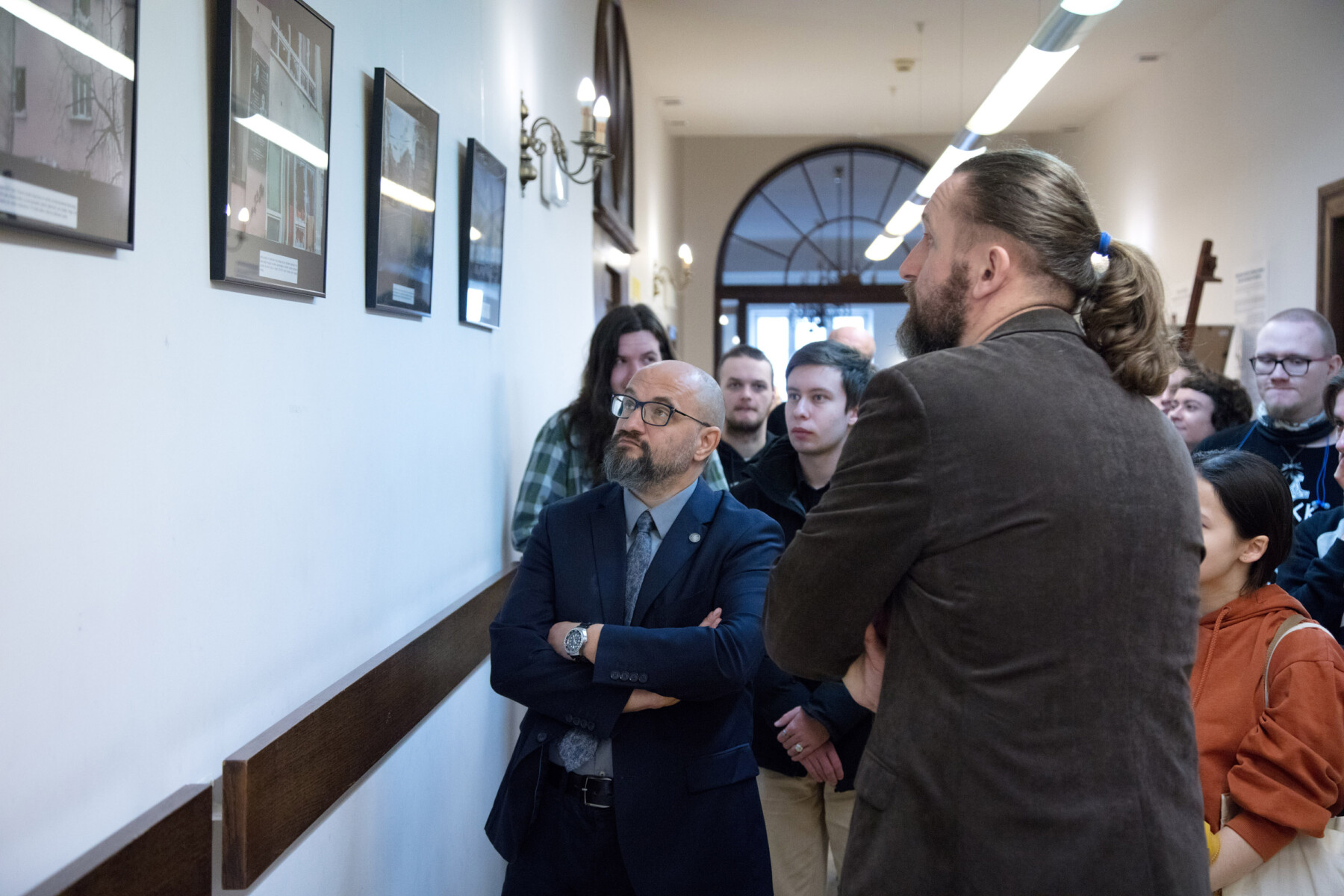
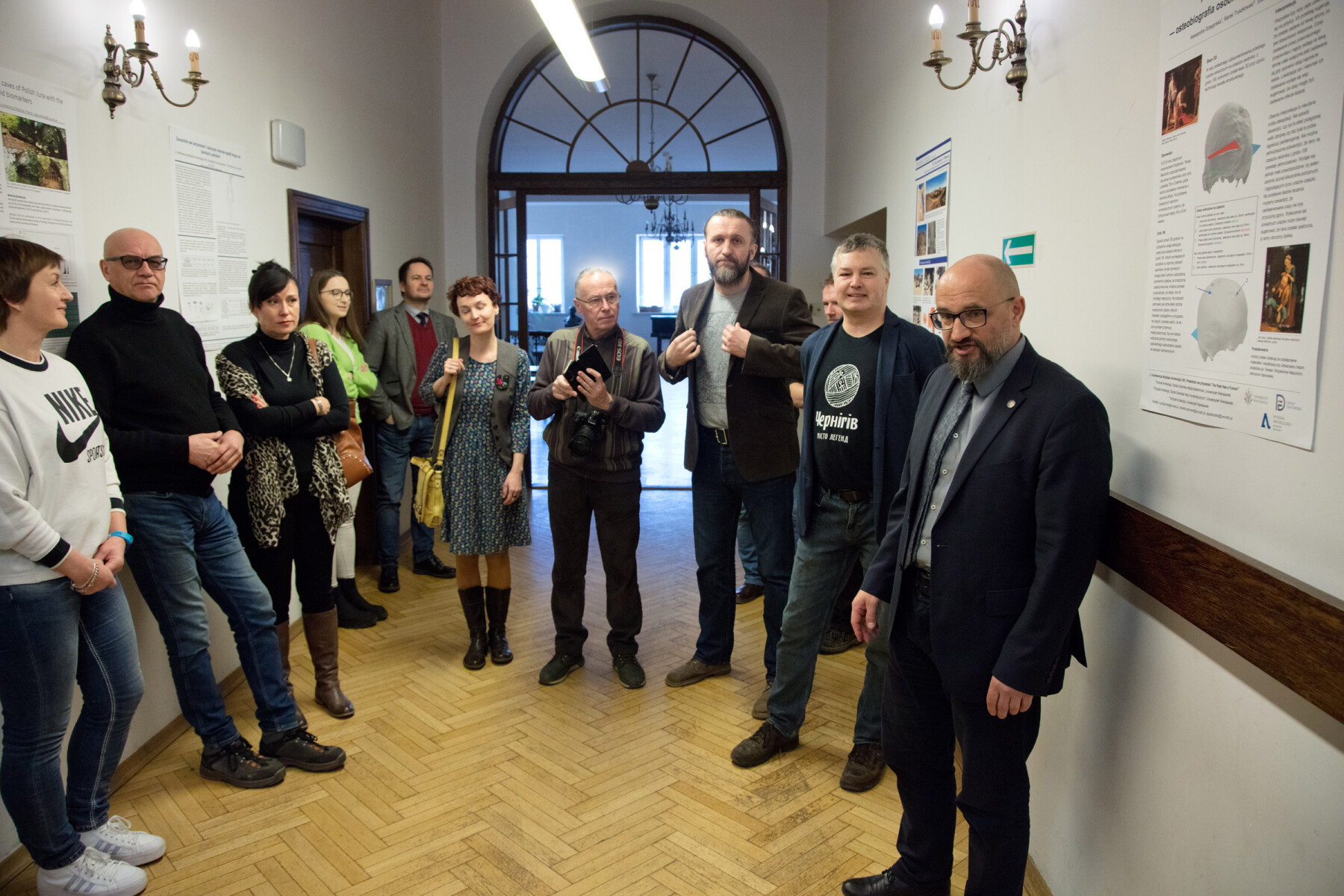
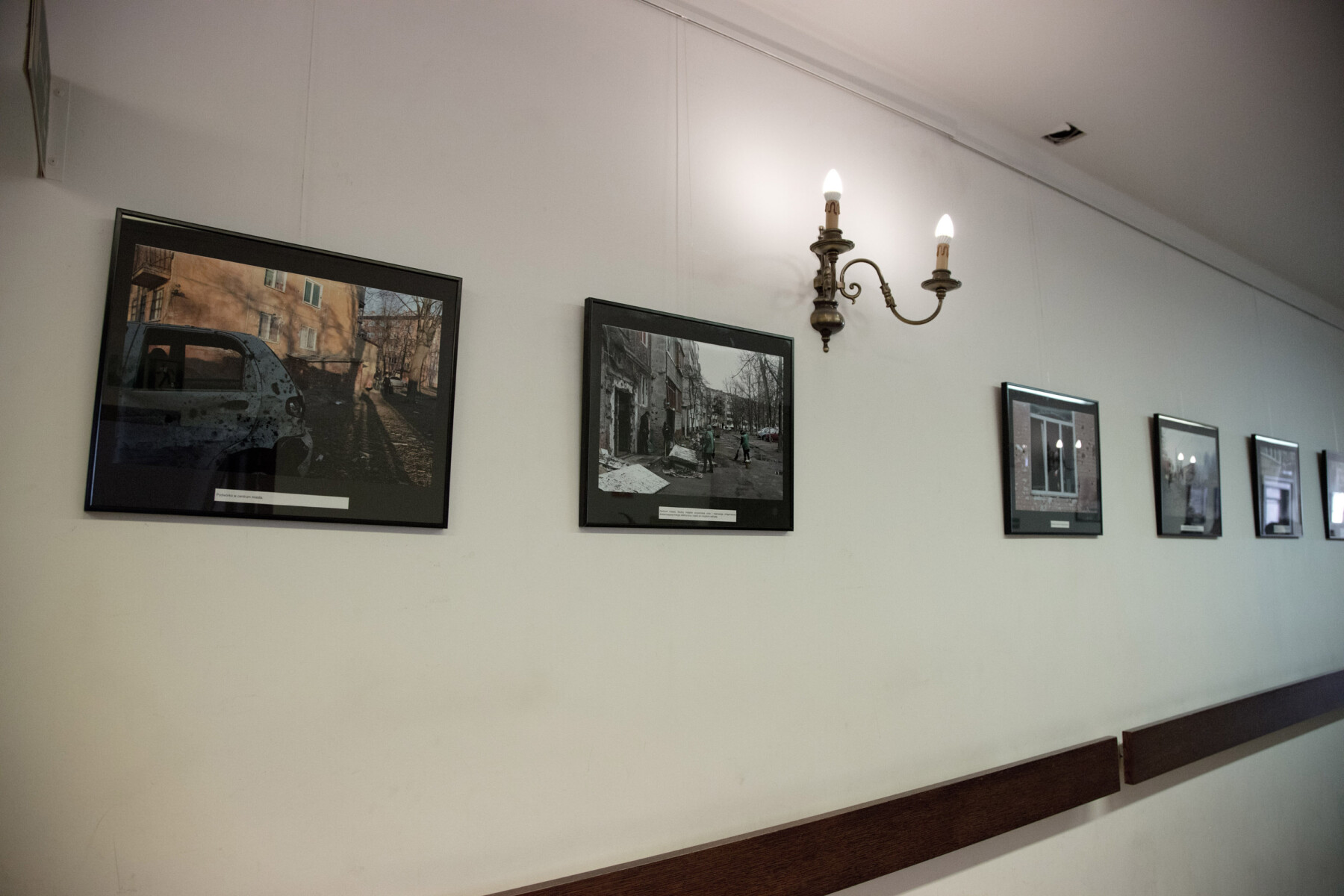
We invite you to the opening of the photography exhibition “Chernihiv: Wartime 2022 – Russian invasion of Ukraine”, which will take place on March 1 (Wednesday), at 10:00, in the Korytarz Gallery in the building of the Faculty of Archeology of the University of Warsaw at Krakowskie Przedmieście 26/28.
The authors of the photos are Valentyn Bobyr and Vladyslav Savenok
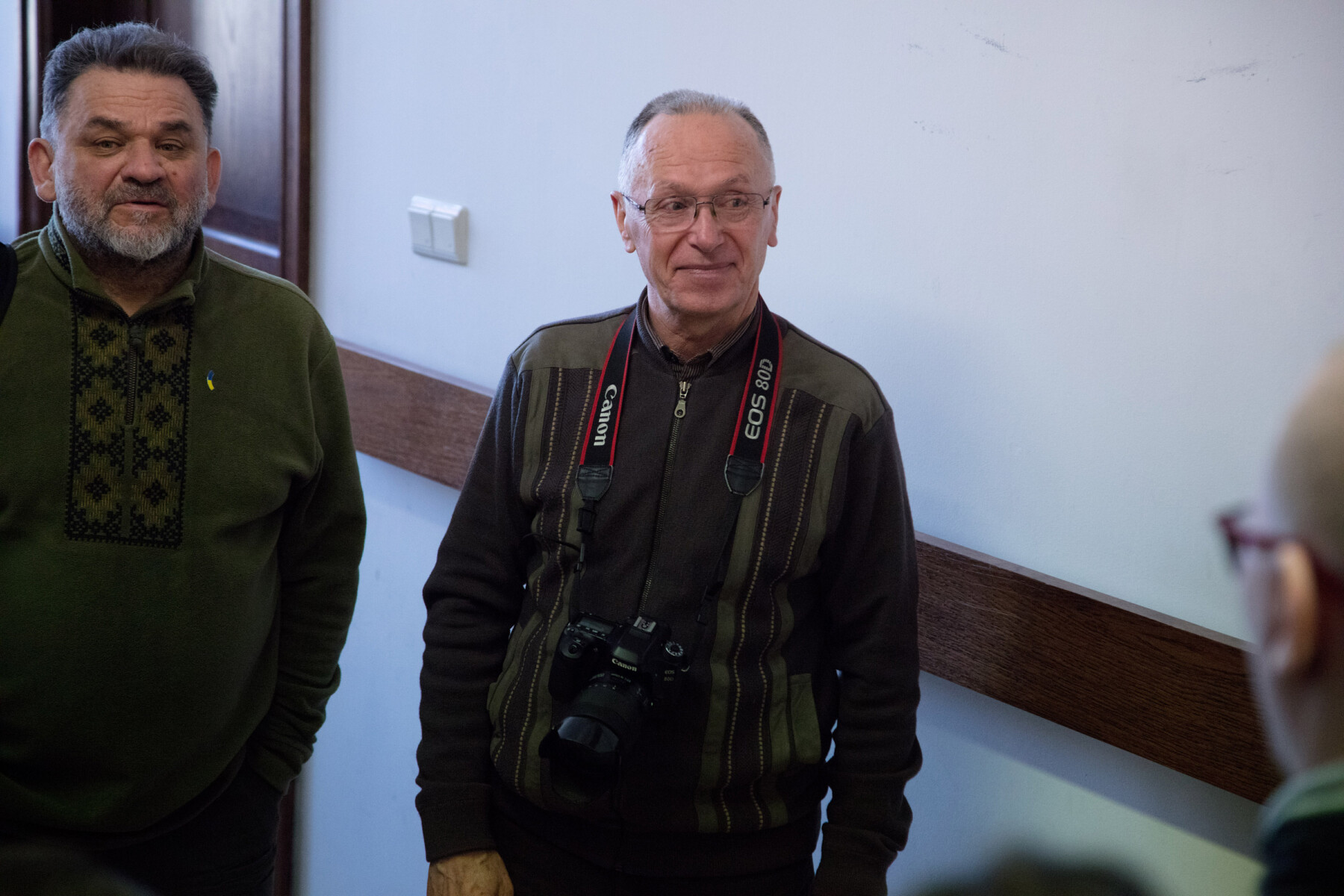
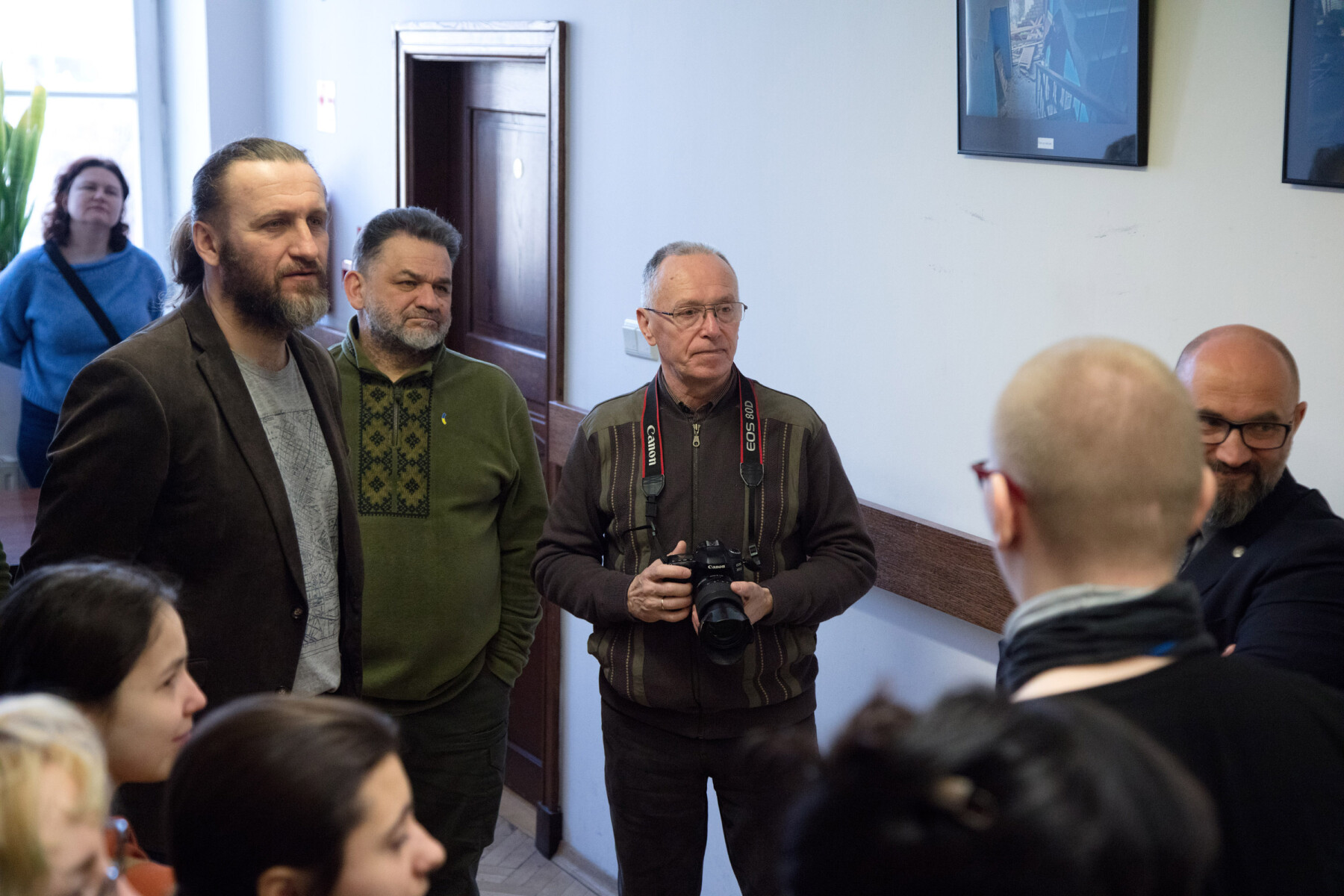
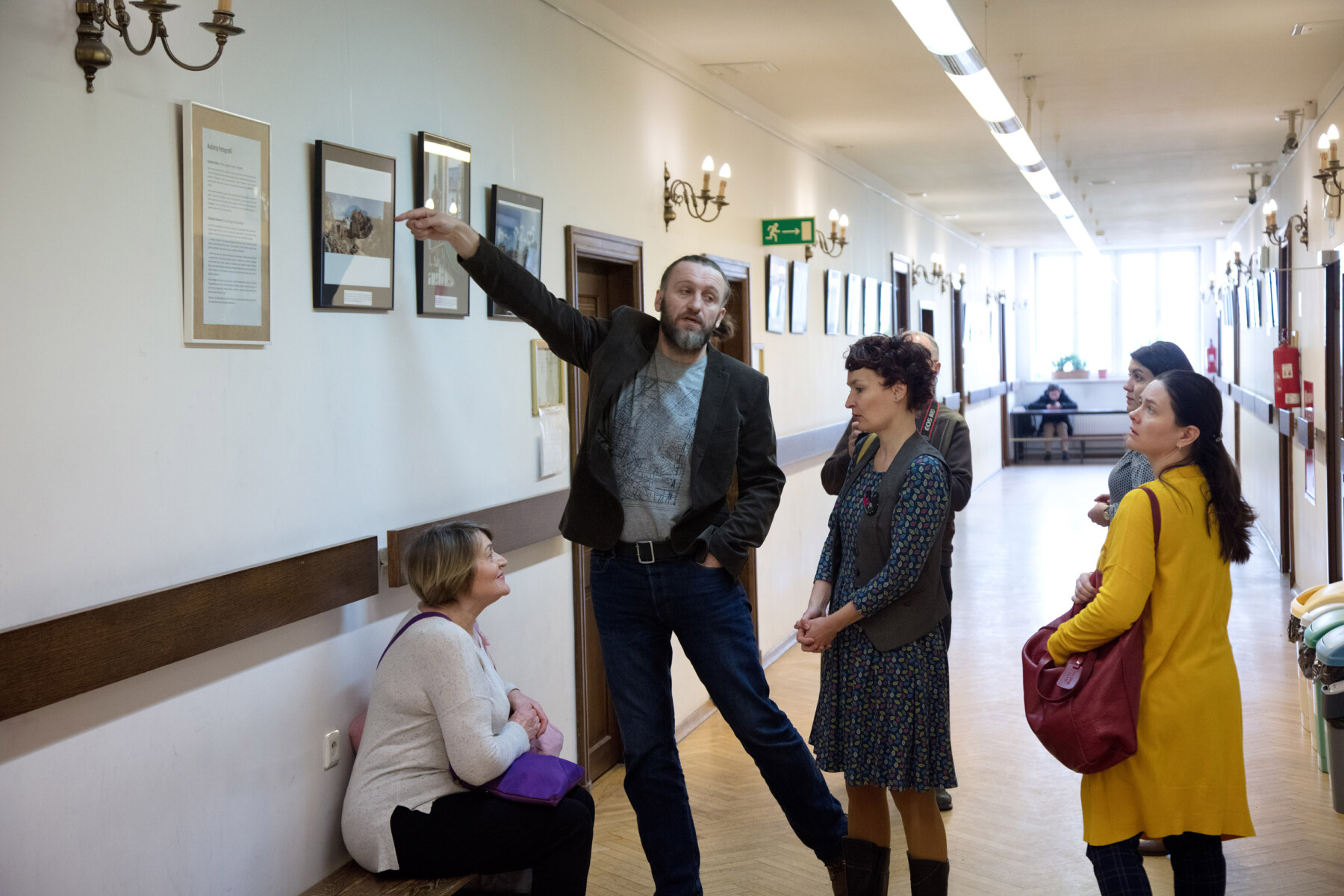
During the opening, Vladyslav Savenok (one of the authors) and Dr. Volodymyr Pylypenko from the University of Chernihiv will talk about the photographs.
– Vladislav Savenok –
“Some of these pictures have already gone around the world. They show how war destroys dreams, cities and countries that seek freedom and defend their independence”.
Cieśliński, A., Baczewski, M., Cywa, K., Mueller-Bieniek, A., Woźniak, M., 2025. The Mazovian Centre of Metallurgy: landscape and environmental conditions of mass iron production in Central Europe. Antiquity 1–8. https://doi.org/10.15184/aqy.2025.10183
Wadyl, S., Szczepanik, P., Mueller-Bieniek, A., Makowiecki, D., Małkowski, W., 2025. Multidisciplinary study provides insight into archaeological context and environmental background of short-lived stronghold of Obłęże (Pomerania, Poland). Praehistorische Z. https://doi.org/10.1515/pz-2025-2021
McClatchie, M., Matterne, V., Rovira Buendia, N., Andonova, M., Lohwasser, U., Waalen, W., Bantis, F., Knez, M., Milešević, J., Orahovac, A., Prosperi, P., Banerjee, A., Radić, I., Mueller-Bieniek, A., Beglaryan, M., Murphy-Bokern, D., Gil, D., Balázs, B., Negrão, S., 2025. Underutilised crops in Europe: An interdisciplinary approach towards sustainable practices. Archaeometry n/a. https://doi.org/10.1111/arcm.13073
Przybyła, M.S., Knutelski, S., Moskal-del Hoyo, M., Mueller-Bieniek, A., 2024b. Charred plant remains and insect remains, in: Przybyła, M.S. (Ed.), Life Written in the Strata. Excavations of the North-Eastern Sector of the Prehistoric Hillfort in Maszkowice (Western Carpathians). Part 1. Profil-Archeo, Kraków, pp. 767–814
Przybyła, M.S., Gocman, U., Mueller-Bieniek, A., 2024a. Bronze Age and Early Iron Age Farming and Animal Husbandry in the Mountain Section of the Dunajec Valley (Test Area 4), in: Przybyła, M.S., Dzięgielewski, K. (Eds.), Inheritance, Social Networks, Adaptation. Bronze and Early Iron Age Societies of the Western Carpathians. Brepols Publishers and Profil-Archeo, Turnhout and Kraków, pp. 465–482
Filipović, D., Jones, G., Kirleis, W., Bogaard, A., Ballantyne, R., Charles, M., de Vareilles, A., Ergun, M., Gkatzogia, E., Holguin, A., Hristova, I., Karathanou, A., Kapcia, M., Knežić, D., Kotzamani, G., Lathiras, P., Livarda, A., Marinova, E., Michou, S., Mosulishvili, M., Mueller-Bieniek, A., Obradović, D., Padgett, M., Paraskevopoulou, P., Petridou, C., Stylianakou, H., Zerl, T., Vidas, D., Valamoti, S.M., 2023. Triticum timopheevii s.l. (‘new glume wheat’) finds in regions of southern and eastern Europe across space and time. Veg. Hist. Archaeobotany. https://doi.org/10.1007/s00334-023-00954-w
Mueller-Bieniek, A., Moskal-del Hoyo, M., Korczyńska-Cappenberg, M., Kapcia, M., Nowak, M., 2023. Plant macro-remains from a large middle Neolithic settlement in SE Poland – Internal diversification and possible status of the settlers. Archaeol. Sci. Rep. 49, 104016. https://doi.org/10.1016/j.jasrep.2023.104016
Korczyńska-Cappenberg, M., Nowak, M., Mueller-Bieniek, A., Wilczyński, J., Pospuła, S., Wertz, K., Kalicki, T., Biesaga, P., Szwarczewski, P., Kapcia, M., Cappenberg, K., Wacnik, A., Hoyo, M.M., 2023. Middle Neolithic agricultural and land-use models in southern Poland: A case-study of the long-term settlement in Mozgawa. The Holocene. https://doi.org/10.1177/09596836231157065
Mueller-Bieniek A. Cywa K. 2022. Pozostałości roślinne towarzyszące skarbom przedmiotów brązowych z Sanoka (Białej Góry) i Woli Sękowej, [w:] Blajer W., Bochnak T., Cywa K., Garbacz-Klempka A., Glinianowicz G., Jurecki P., Kotowicz P., Kuropka P., Łucejko J.J., Maciejewski M., Mueller-Bieniek A., Nowak K., Przybyła M.M., Skowron K., Ku czci bogów i ludzi. Skarby z okolic Sanoka. Studium interdyscyplinarne, Lublin-Sanok 2022, s. 141-148
Nalepka, D., Mueller-Bieniek, A., Walanus, A., 2022. Spread of quinoa (Chenopodiaceae) pollen grains and finds of fat-hen (Chenopodium album) seeds in Kujawy in the Middle Holocene, in: Grygiel, M., Obst, P. (Eds.), Walking Among Ancient Trees. Fundacja Badań Archeologicznych Imienia Profesora Konrada Jażdżewskiego, Łódź, pp. 265–274
Mueller-Bieniek, A., Moskal-del Hoyo, M., Wilczyński, J., Przybyła, M.M., 2022. The same spot – Two different worlds: Plant and animal remains from multiculture site at Sadowie in southern Poland. Journal of Archaeological Science Reports 45, 103608. https://doi.org/10.1016/j.jasrep.2022.103608
Mueller-Bieniek, A., 2021. Owoce i nasiona ze stanowisk archeologicznych jako źródło wiedzy o paleośrodowisku, in: Gancarski, J. (Ed.), Zmiany środowiska i warunków klimatycznych w okresie od schyłkowego paleolitu do końca średniowiecza i ich wpływ na warunki życia człowieka w północnej części Europy Środkowej. Muzeum Podkarpackie w Krośnie, Krosno, pp. 87–120
Mueller-Bieniek, A., 2021. Plants in the Lives of Medieval Cracovians, in: Izdebski, A., Szmytka, R. (Eds.), Krakow, an Ecobiography. University of Pittsburgh Press, pp. 68–87
Mueller-Bieniek A., Rusishvili N., Jalabadze M., Kvavadze E., 2021. Plant remains from Berikldeebi, Georgia, 1979-1992. Bioarchaeology of the Near East 15, 77–84.
Kontny, B., Szeliga, M., Wojenka, M., Kosiński, T., Mueller-Bieniek, A., Kot, M., 2021. A Unique Clay Rattle from Koziarnia Cave in Southern Poland. Archäol.Korresp. 51, 91–109.
Mueller-Bieniek, A., 2020. Kraków Mogiła 53, 55 – Kopiec Wandy. Raport z badań archeobotanicznych. Mater. Archeol. Nowej Huty 23: 305–310
Salavert, A., Zazzo, A., Martin, L., Antolín, F., Gauthier, C., Thil, F., Tombret, O., Bouby, L., Manen, C., Mineo, M., Mueller-Bieniek, A., Piqué, R., Rottoli, M., Rovira, N., Toulemonde, F., Vostrovská, I., 2020. Direct dating reveals the early history of opium poppy in western Europe. Sci. Rep. 10, 1–10. https://doi.org/10.1038/s41598-020-76924-3
Mueller-Bieniek, A., Jarosińska, J., 2020. Neolityczne ślady użytkowania roślin w rejonie Dolnej Wierzycy i Janki na Pojezierzu Starogardzkim, in: Felczak, O. (Ed.), Wczesny i środkowy neolit na Pojezierzu Starogardzkim w świetle badań nad Dolną Wierzycą i Janką. Archaeological Museum in Gdańsk, Gdańsk, pp. 281–313. ISBN 978-83-956473-2-1
Czajkowska, B.I., Bogaard, A., Charles, M., Jones, G., Kohler-Schneider, M., Mueller-Bieniek, A., Brown, T.A., 2020. Ancient DNA typing indicates that the “new” glume wheat of early Eurasian agriculture is a cultivated member of the Triticum timopheevii group. Journal of Archaeological Science 123, 105258. https://doi.org/10.1016/j.jas.2020.105258
Filipović, D., Meadows, J., Corso, M.D., Kirleis, W., Alsleben, A., Akeret, Ö., Bittmann, F., Bosi, G., Ciută, B., Dreslerová, D., Effenberger, H., Gyulai, F., Heiss, A.G., Hellmund, M., Jahns, S., Jakobitsch, T., Kapcia, M., Klooß, S., Kohler-Schneider, M., Kroll, H., Makarowicz, P., Marinova, E., Märkle, T., Medović, A., Mercuri, A.M., Mueller-Bieniek, A., Nisbet, R., Pashkevich, G., Perego, R., Pokorný, P., Pospieszny, Ł., Przybyła, M., Reed, K., Rennwanz, J., Stika, H.-P., Stobbe, A., Tolar, T., Wasylikowa, K., Wiethold, J., Zerl, T., 2020. New AMS 14 C dates track the arrival and spread of broomcorn millet cultivation and agricultural change in prehistoric Europe. Scientific Reports 10, 13698. https://doi.org/10.1038/s41598-020-70495-z
Mnich, B., Mueller-Bieniek, A., Nowak, M., Wilczyński, J., Pospuła, S., Szostek, K., 2020. Terrestrial diet in prehistoric human groups from southern Poland based on human, faunal and botanical stable isotope evidence. Journal of Archaeological Science Reports 32, 102382. https://doi.org/10.1016/j.jasrep.2020.102382
Pyzel, J., Mueller-Bieniek, A., Moskal-del Hoyo, M.M., 2020. The first farmers on the Vistula river in the Polish lowlands, in: Gron, K.J., Sørensen, L., Rowley-Conwy, P. (Eds.), Farmers at the Frontier. A Pan-European Perspective of Neolithization. Oxbow Books, Oxford & Philadelphia, pp. 247–261
Mueller-Bieniek, A., Pyzel, J., Kapcia, M., 2020. Chenopodium Seeds in Open-Air Archaeological Sites – How to Not Throw the Baby Out with the Bathwater. Environmental Archaeology 25, 69–81. https://doi.org/10.1080/14614103.2018.1536500
Consultation hours:
Tuesday 11.30-13.15, room 3.23
Meeting can be held remotely, through the Google Meets platform.
Please apply in advance by email.
Dr Julia Maria Chyla is an Assistant Professor at the Faculty of Archaeology, University of Warsaw, Head of the Laboratory of Non-Invasive and Digital Archaeology (PANiC) and Faculty Coordinator for the DARIAH-PL Digital Research Infrastructure Project.
She specializes in digital archaeology, GIS, mobileGIS, remote sensing, photogrammetry, and non-invasive methods applied in archaeological prospection and landscape analysis. Her research focuses on the use of digital tools for documentation, spatial modeling, and heritage protection, with fieldwork experience in Peru (Castillo de Huarmey), Egypt, and Tunisia.
Dr. Chyla leads and participates in numerous national and international research projects funded by NCN, DLR, and DARIAH, including studies on pre-Columbian road networks and mobile GIS workflows.
Her work bridges research, teaching, and science communication, promoting open science and the integration of FAIR-compliant digital methods in archaeological research.
FAQ
When are office hours?
Tuesday 11:30–13:15 (room 3.23). Online meetings (Google Meet) available upon prior e-mail request.
Primary research area?
Digital archaeology: GIS, mobile GIS, remote sensing, photogrammetry; projects in Peru (Castillo de Huarmey), Egypt, Tunisia.
Flexible Borders, Permeable Territories and the Role of Water Management in Territorial Dynamics in Pre-Hispanic and Early Hispanic Peru
Patrycja Prządka-Giersz, Miłosz Giersz, Julia M. Chyla (2023/2024), in Living with Nature, Cherishing Language, eds. J. Olko, C. Radding, Palgrave Macmillan (Cham).
Overview of territorial dynamics on the northern Peruvian coast with emphasis on Culebras and Huarmey; water as a landscape factor; insights from Castillo de Huarmey (Wari). DOI:10.1007/978-3-031-38739-5_2
Offerings for Wari Ancestors: Strategies of ceramic production and distribution at Castillo de Huarmey, Peru
I. C. Druc, M. Giersz, M. Kałaska, R. Siuda, M. Syczewski, R. Pimentel Nita, J. M. Chyla, K. Makowski (2020), Journal of Archaeological Science: Reports, 30, 102229.
Ceramic production and distribution around Castillo de Huarmey; evidence for local workshops (Huarmey/Culebras) and supply chains. DOI:10.1016/j.jasrep.2020.102229
Application of electron microprobe analysis to identify the origin of ancient pottery production from the Castillo de Huarmey, Peru
M. Kałaska, I. C. Druc, J. M. Chyla, R. Pimentel, M. Syczewski, R. Siuda, K. Makowski, M. Giersz (2020), Archaeometry, 62(6), 1095–1114.
EMPA used to source Castillo de Huarmey pottery; complements petrography and identifies production areas. DOI:10.1111/arcm.12581
Deciphering the origin of small metal artefacts from Castillo de Huarmey (Peru) with Pb, Cu, and Ag isotopes
M. Kałaska, R. Mathur, G. D. Kamenov, J. M. Chyla, P. Prządka-Giersz, M. Giersz (2022), Archaeometry, 64, 1168–1186.
Pb–Cu–Ag isotopes for elite Wari metal artefacts; raw-material sources and supply networks. DOI:10.1111/arcm.12775
The Dataset of the Geographical Dispersal of Islamic Cream Ware in Southern Bilad al-Sham (8th–11th Centuries)
Piotr Makowski; Julia M. Chyla (2024), Journal of Open Archaeology Data, 12, Article 4.
Data paper presenting 125 ICW sites and field structure; reuse potential for comparative analyses. DOI:10.5334/joad.122 · Linked dataset:UW Dataverse (ICW)
Geographical dispersal of Islamic Cream Ware (8th–11th c.) — spatial data
Repository with CSV/SHP, source bibliography and attribute descriptions for ICW distribution analyses. Repository:UW Dataverse DOI:10.58132/Z8LR8I · License: CC BY 4.0
How Can Remote Sensing Help in Detecting the Threats to Archaeological Sites in Upper Egypt?
Julia M. Chyla (2017), Geosciences, 7(4), 97 (OA).
Case study of threats to sites in Upper Egypt using satellite imagery (urban and agricultural pressure; heritage protection implications). DOI:10.3390/geosciences7040097 · Full text:mdpi.com/2076-3263/7/4/97
The Northern Necropolis of Gebelein in Light of Old and Current Fieldwork
W. Ejsmond; A. Skalec; J. M. Chyla (2020), Journal of Egyptian Archaeology, 106(1–2), 105–122.
Reconstruction of the northern necropolis topography using archival records and recent fieldwork. DOI:10.1177/0307513320970944
Mobile GIS application on smartphones in archaeological field prospection
Julia M. Chyla (2019), in Forum GIS UW. GIS at the University of Warsaw. Proceedings of the 5th & 6th Forum GIS at UW, eds. J. M. Chyla, J. Lechnio, M. Stępień, D. Zaszewski, pp. 19–33.
Publishers: UW Faculty of Geology; UW Faculty of Geography & Regional Studies; Institute of Archaeology (Faculty of History), University of Warsaw. ISBN: 978-83-955918-0-8.
Smartphone-based Mobile GIS (Collector, Survey123) for archaeological field survey; Huarmey Valley (Peru) test case. PDF/info:ResearchGate · full volume (PDF)
Mobile GIS in Archaeology: Current Possibilities, Future Needs. Position Paper
Julia Maria Chyla; Nazarij Buławka (2020), CAA proceedings (open access, Tübingen).
State-of-the-art and requirements for Mobile GIS in archaeology (hardware, GNSS, field workflows, data standards); summary of the CAA 2017 session. DOI:10.15496/publikation-43226 · Repository:TOBIAS-lib (University of Tübingen)
MobileGIS in archaeological prospection in Tunisia (Mustis) — data & workflow
Materials (attribute schemas, exports, sample maps/reports) supporting the standardisation of Mobile GIS. Repository:Zenodo DOI:10.5281/zenodo.12601441